Drone
DJI Mavic 4 Pro vs DJI Avata 360 — when I use each for weddings & aerial
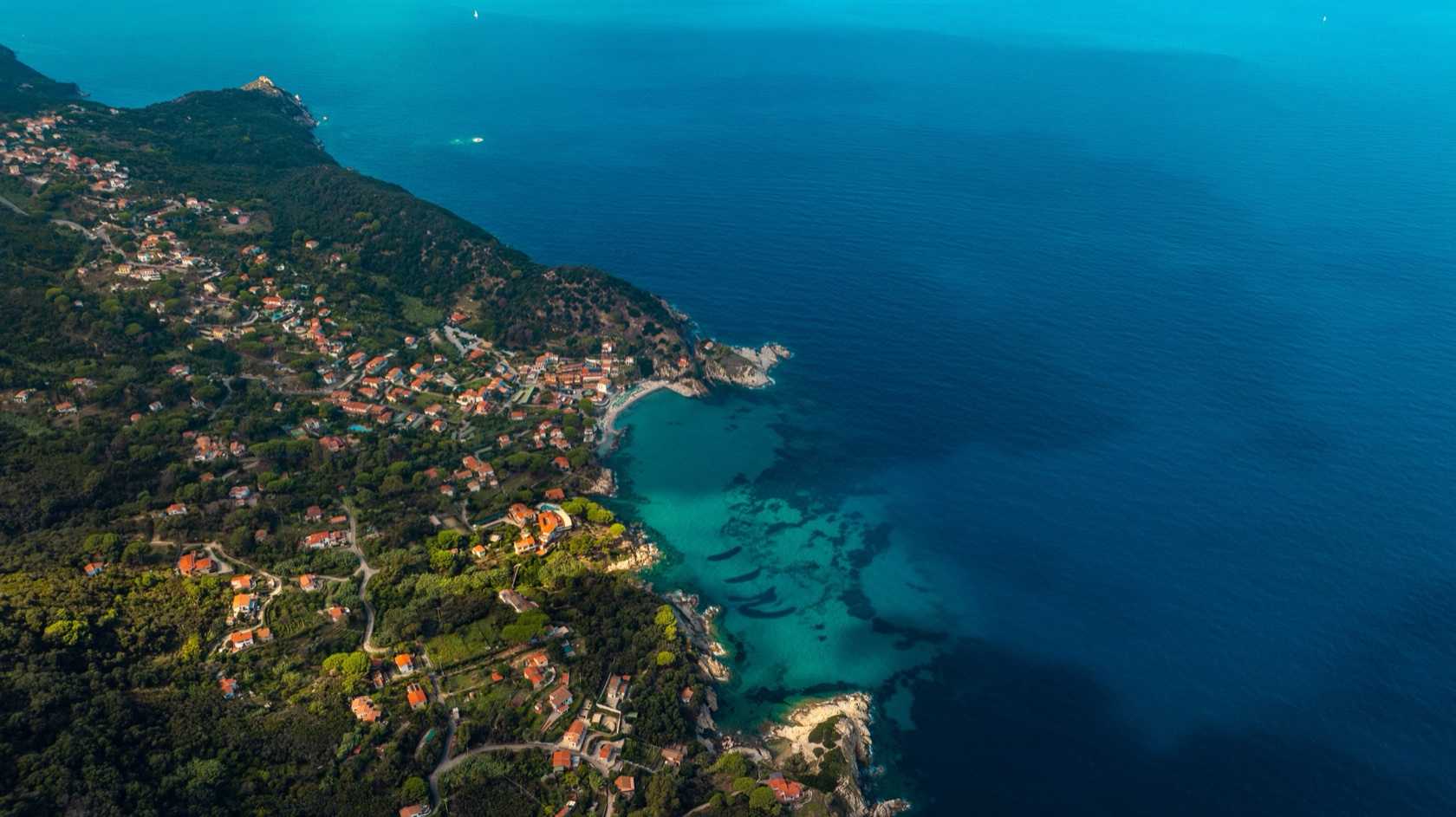
I carry two drones: a DJI Mavic 4 Pro and a DJI Avata 360 FPV. People often ask me "which one is better." Wrong question. They do different things. This is a direct rundown of which machine for what.
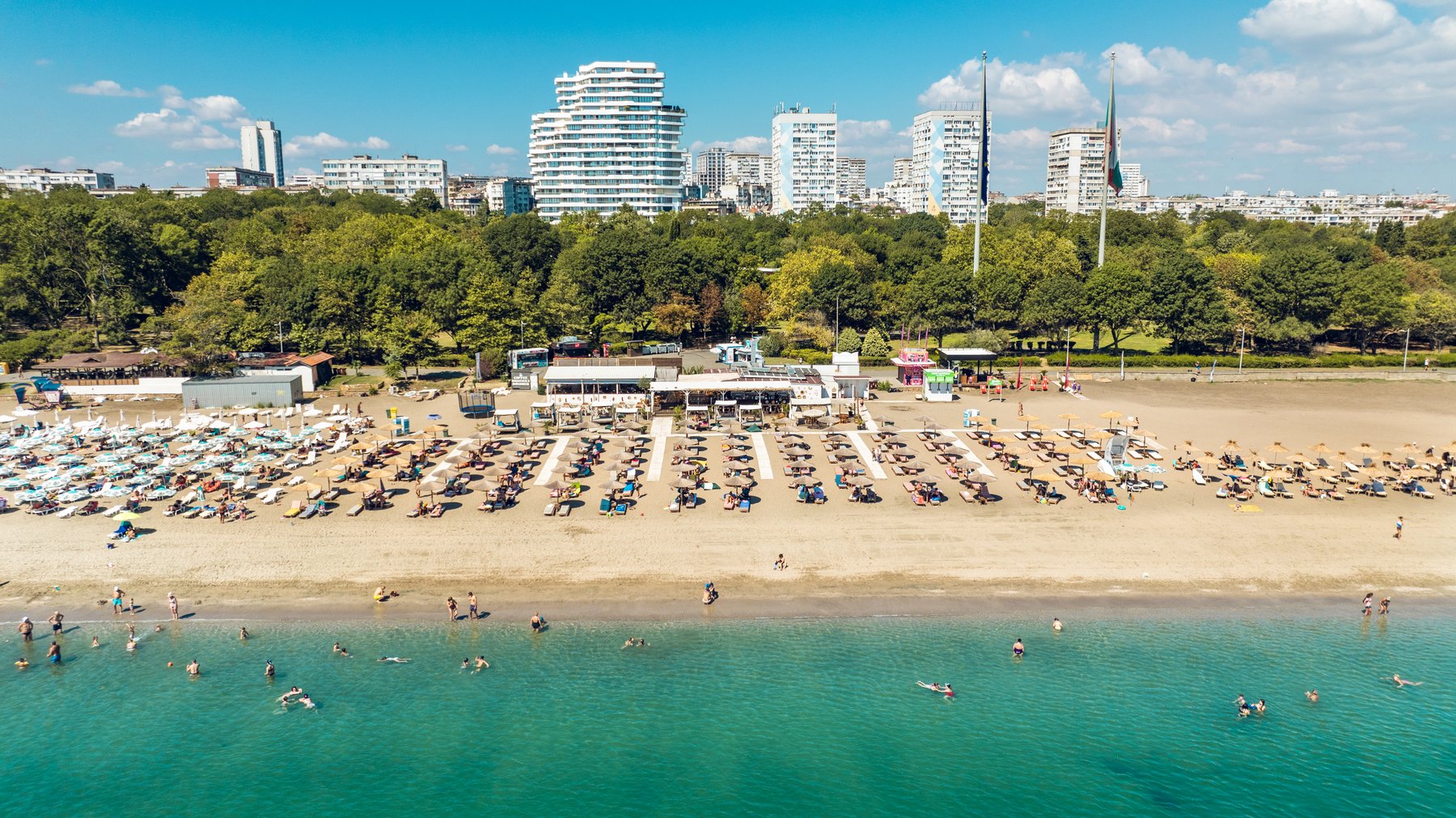
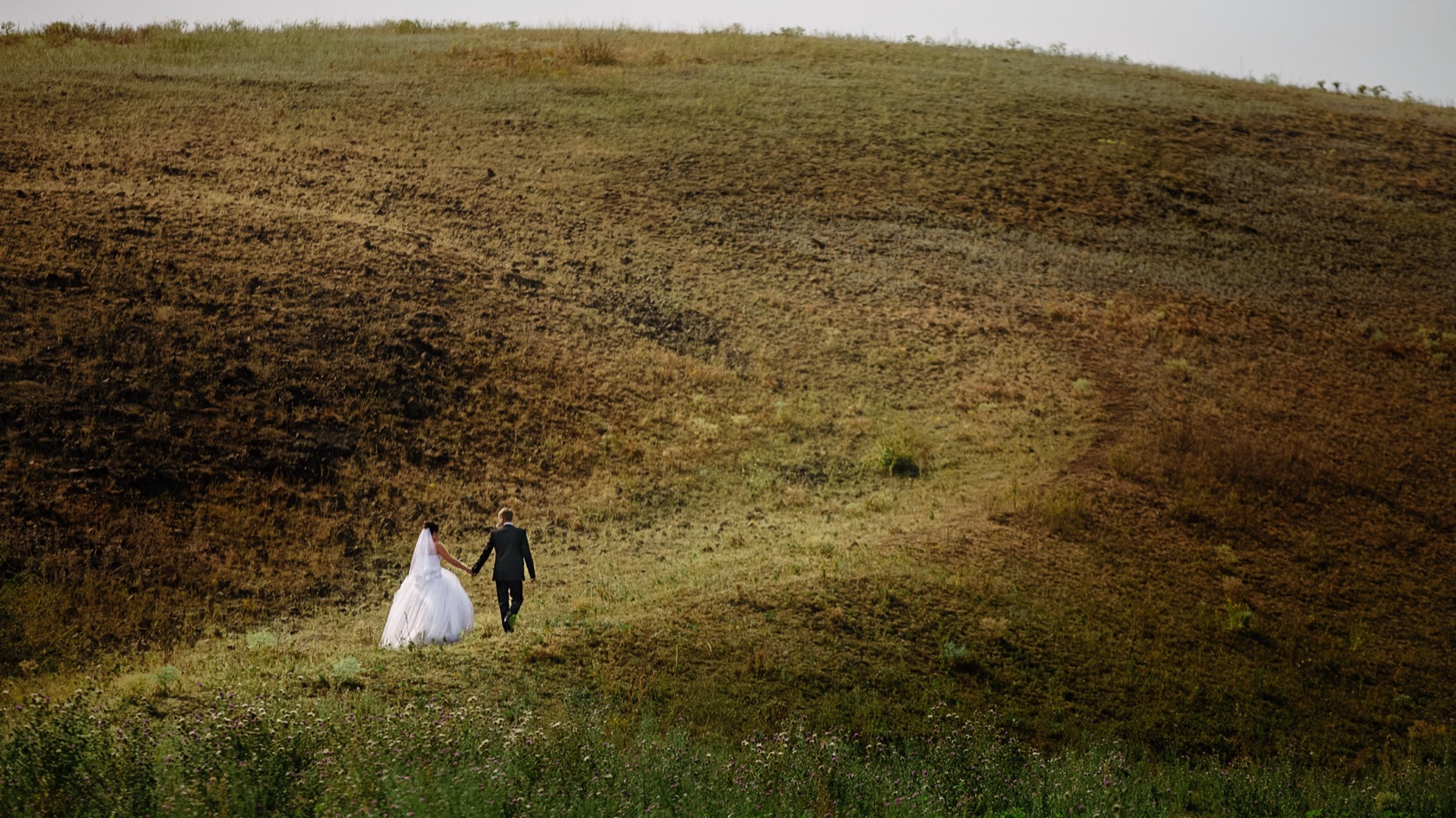
DJI Mavic 4 Pro — for documentation and rolling shots. Hasselblad 4/3 sensor, 100MP stills, 6K 60fps in ProRes. Up to 51 minutes of flight time, 30 km range. On weddings: aerials of the ceremony, group shots from above, couple sessions with sea or mountain backdrop, drone-led entrances (with permission).
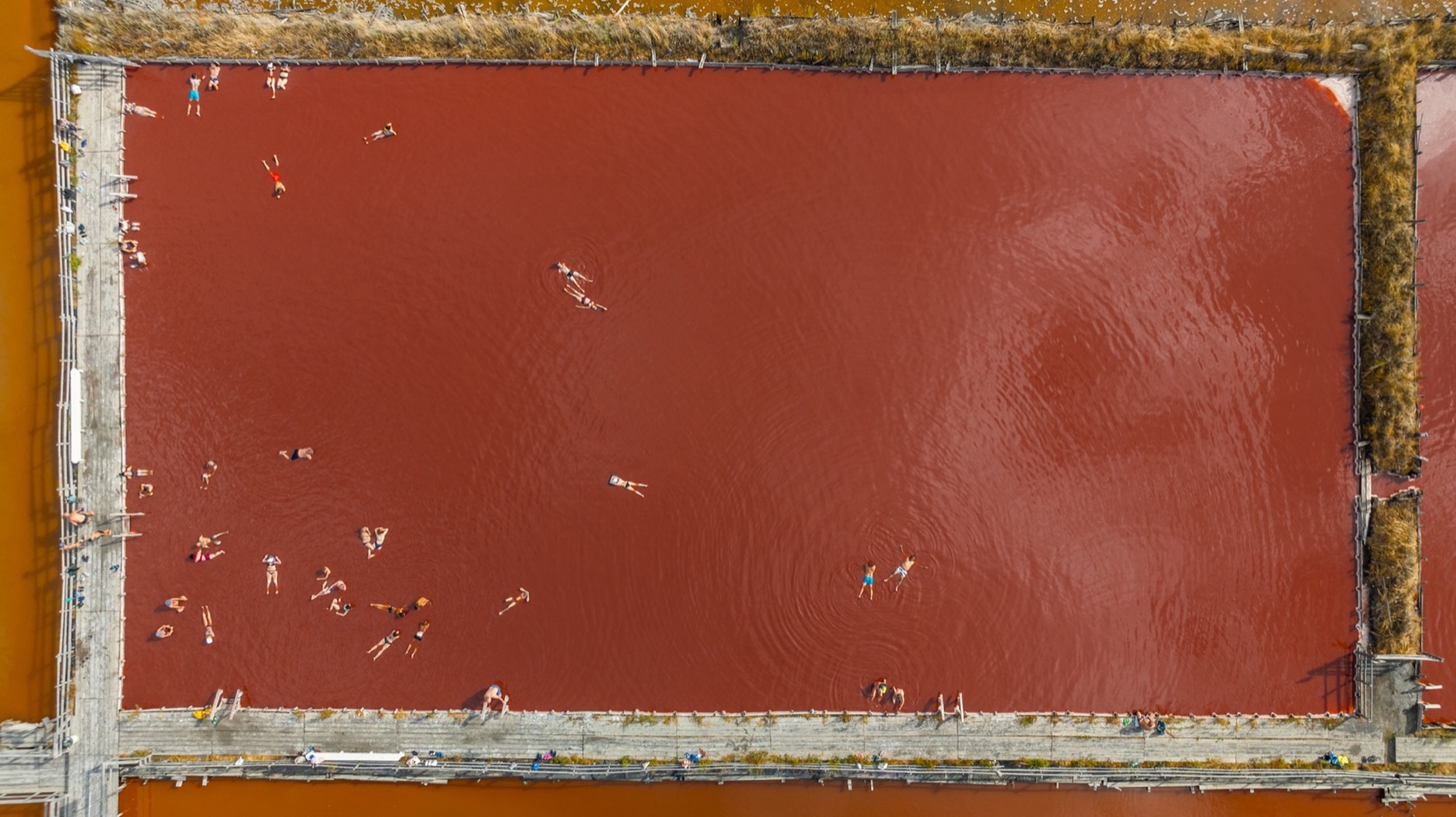
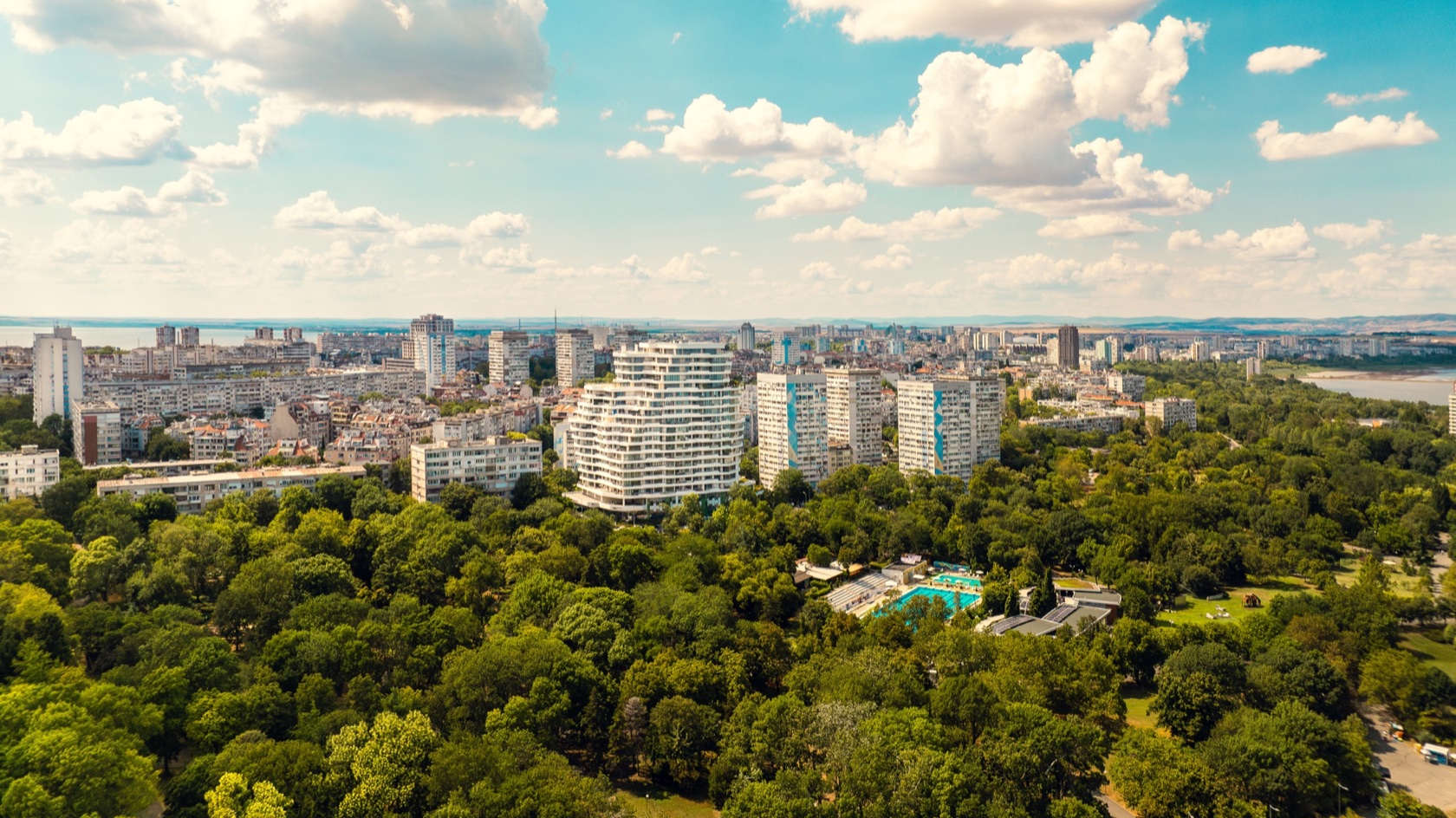
On commercial aerial work: real estate, hotels, festivals, large-event documentation. The Mavic is a storytelling machine. Frames you can watch at 4K at home without motion sickness.
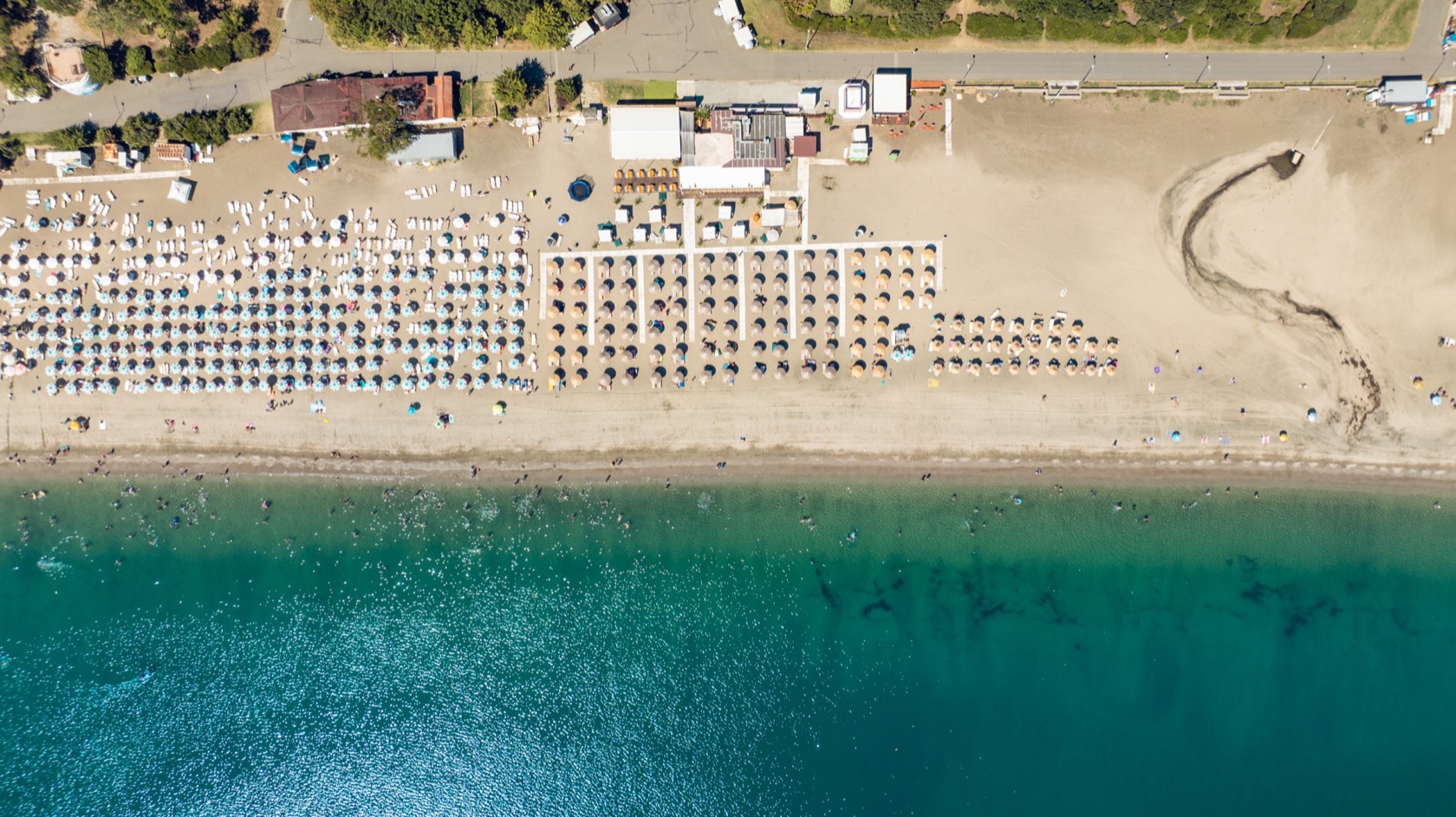
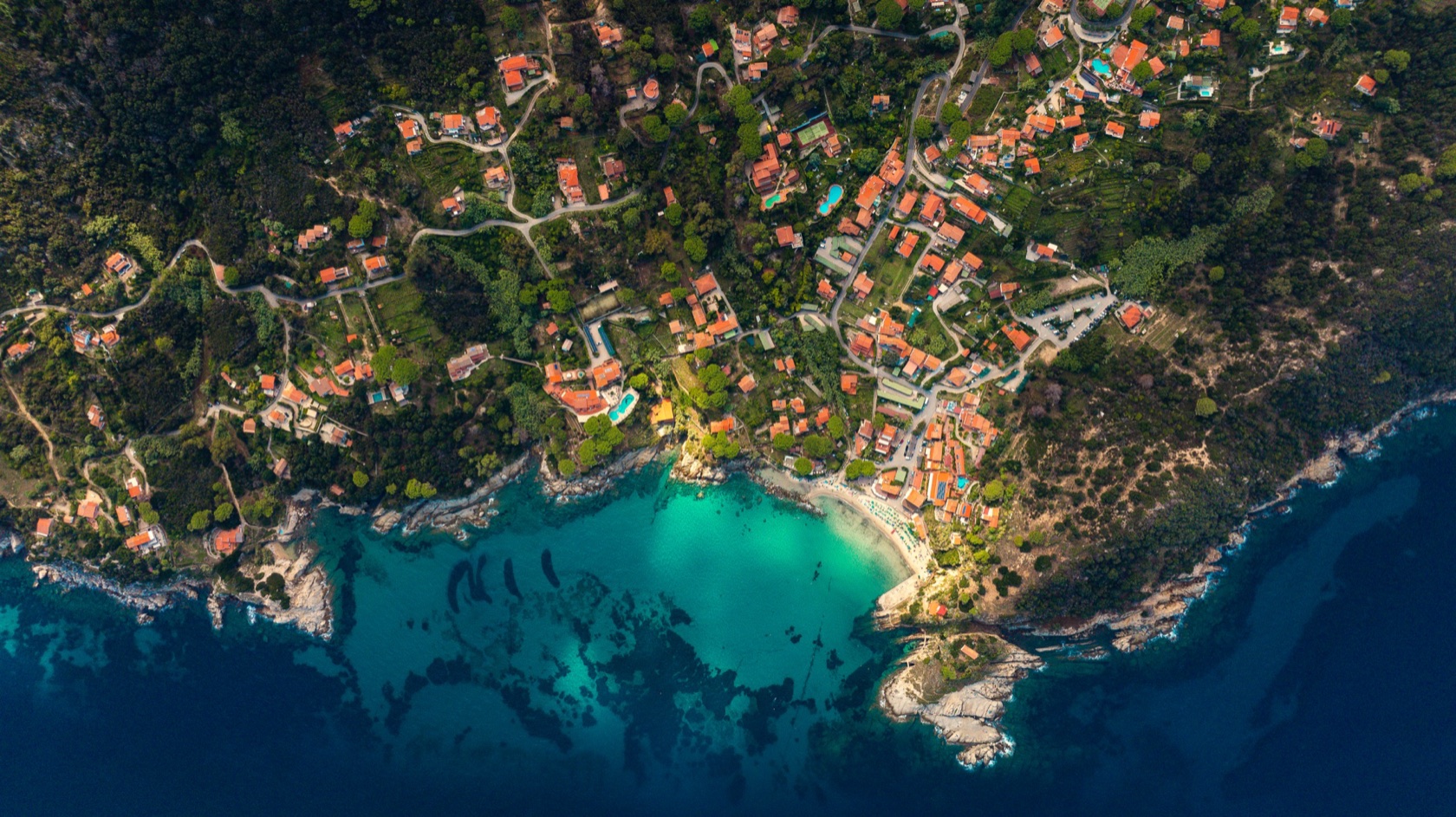
DJI Avata 360 — for immersive experiments. 455 g, 8K/60 HDR video, 360° directional model, high speed in Sport mode. On weddings: dynamic intro shots, flying through narrow passages, follow-cam for couples on open beach, music-video moments. The Avata is a feeling machine — frames that are fast and physically close.
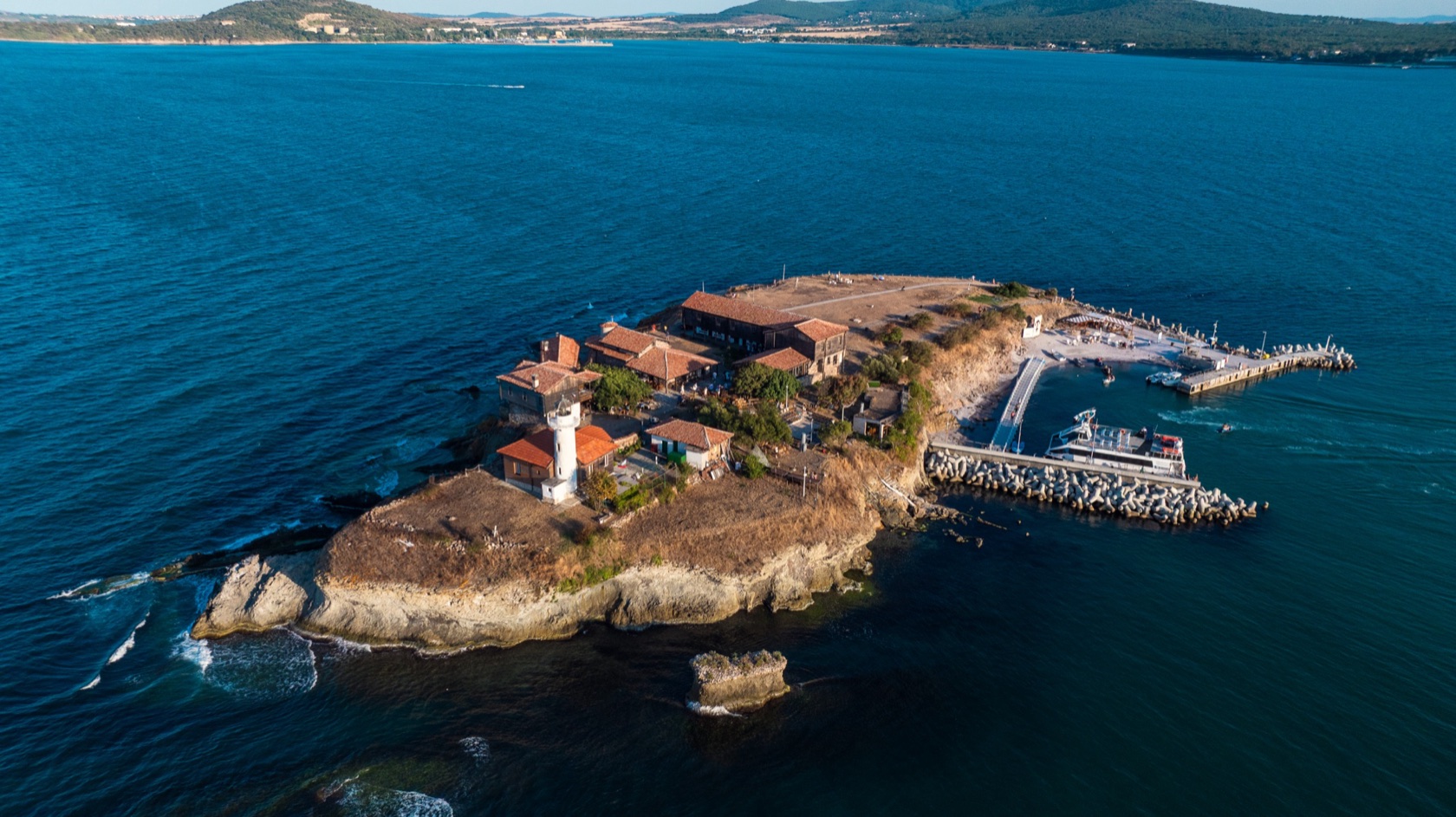
Which one when: on a wedding day, 90% Mavic and 10% Avata. Mavic for documentation (group shots, park sequences, couple sessions), Avata for one immersive intro if the couple wants it. Hotel or property — 100% Mavic; stable, clean frames are the priority. Music videos or commercial — Avata dominates.
What I do NOT shoot with a drone: closed churches or religious ceremonies without special permission, military or police GeoZone objects (the Mavic refuses automatically), crowds without municipal and organiser approval, privacy zones such as private hotel beaches without consent.
My certifications: EU UAV Open A1/A3 (covers most under-25kg use — the Mavic 4 at ~1kg sits deep in A1), Specific PDRA-S01 for operations outside the Open category. Registered operator with the Bulgarian Civil Aviation Authority. Restricted-zone permits are filed 14 days in advance.
What to expect from a drone photographer: ask about licence (Open / Specific), CAA registration, third-party insurance, location-specific permits (NATO sites, protected reserves), and a backup machine. Losing signal on a wedding day without backup ends the session.
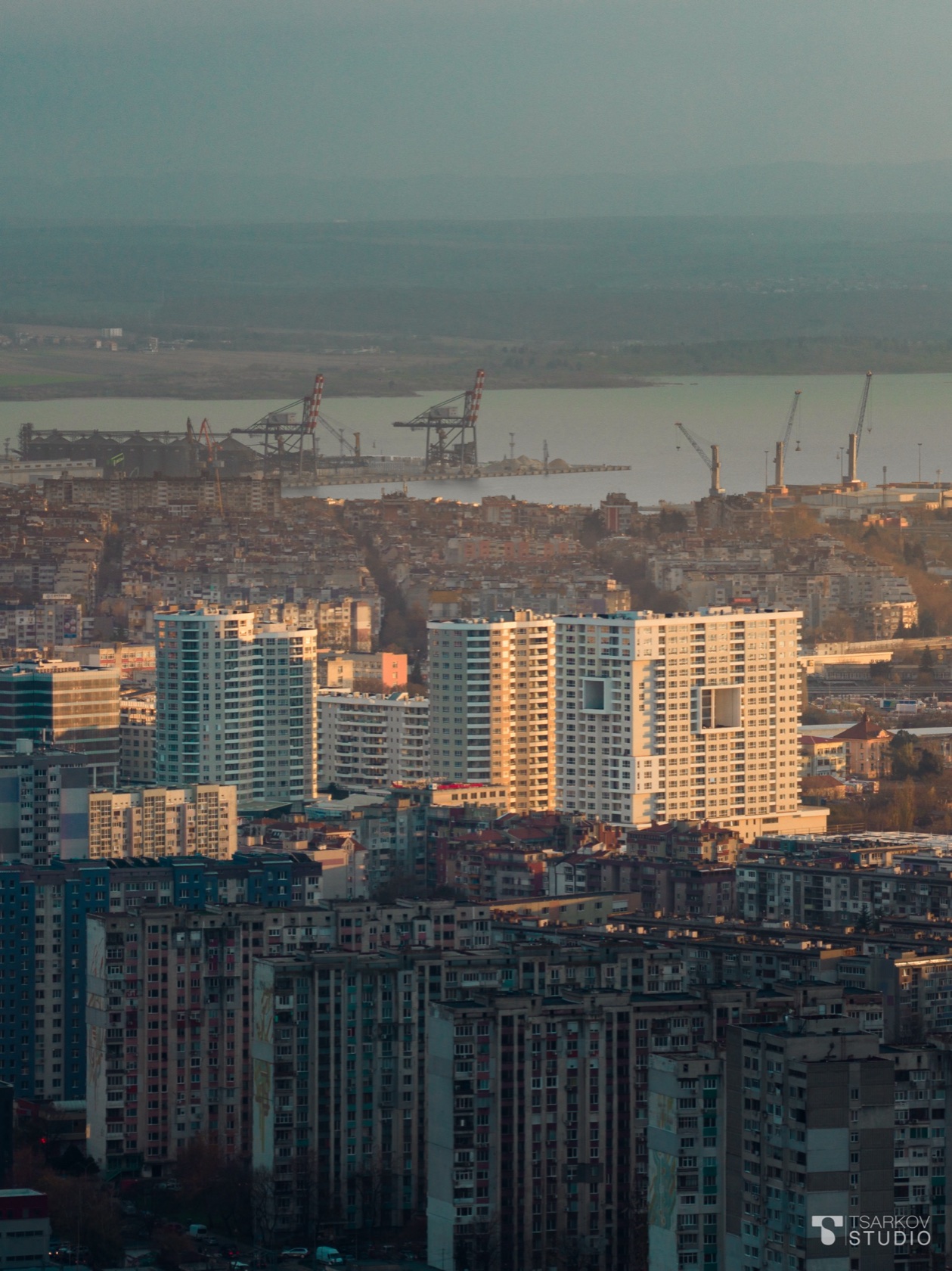
I also do professional aerial photography for hotels, properties, tourism businesses and brands — see how drone photography sells the place.
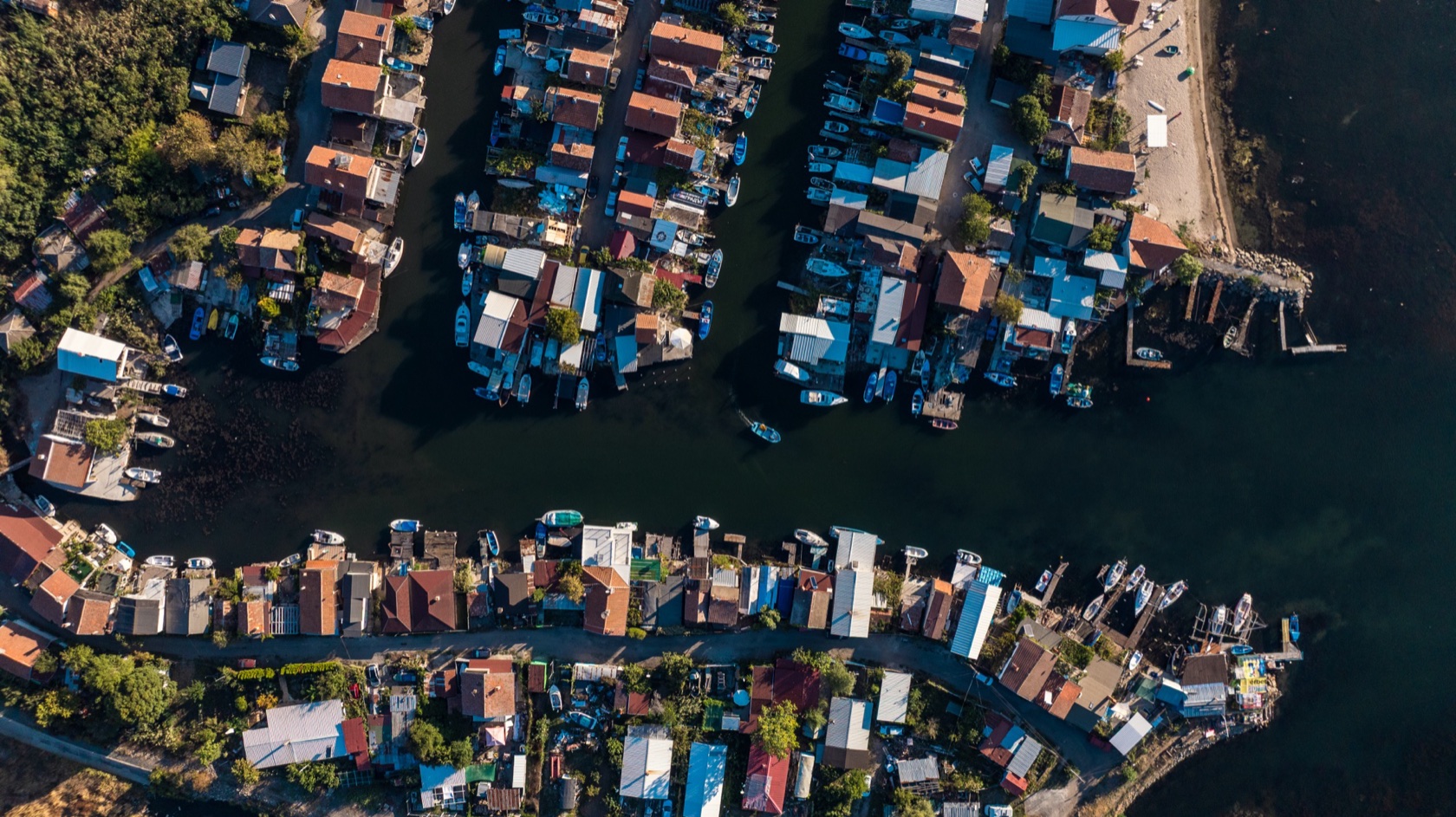
Ready to plan?
See what the packages include and where the prices start.