Light
Burgas, late summer — on the light between seasons

This past summer — whatever we call "late," because it doesn't end all at once — I decided to go out three weeks in a row with just one lens. 50mm, fixed. Leaving before noon, returning after sunset. Not for any specific session, but to watch.
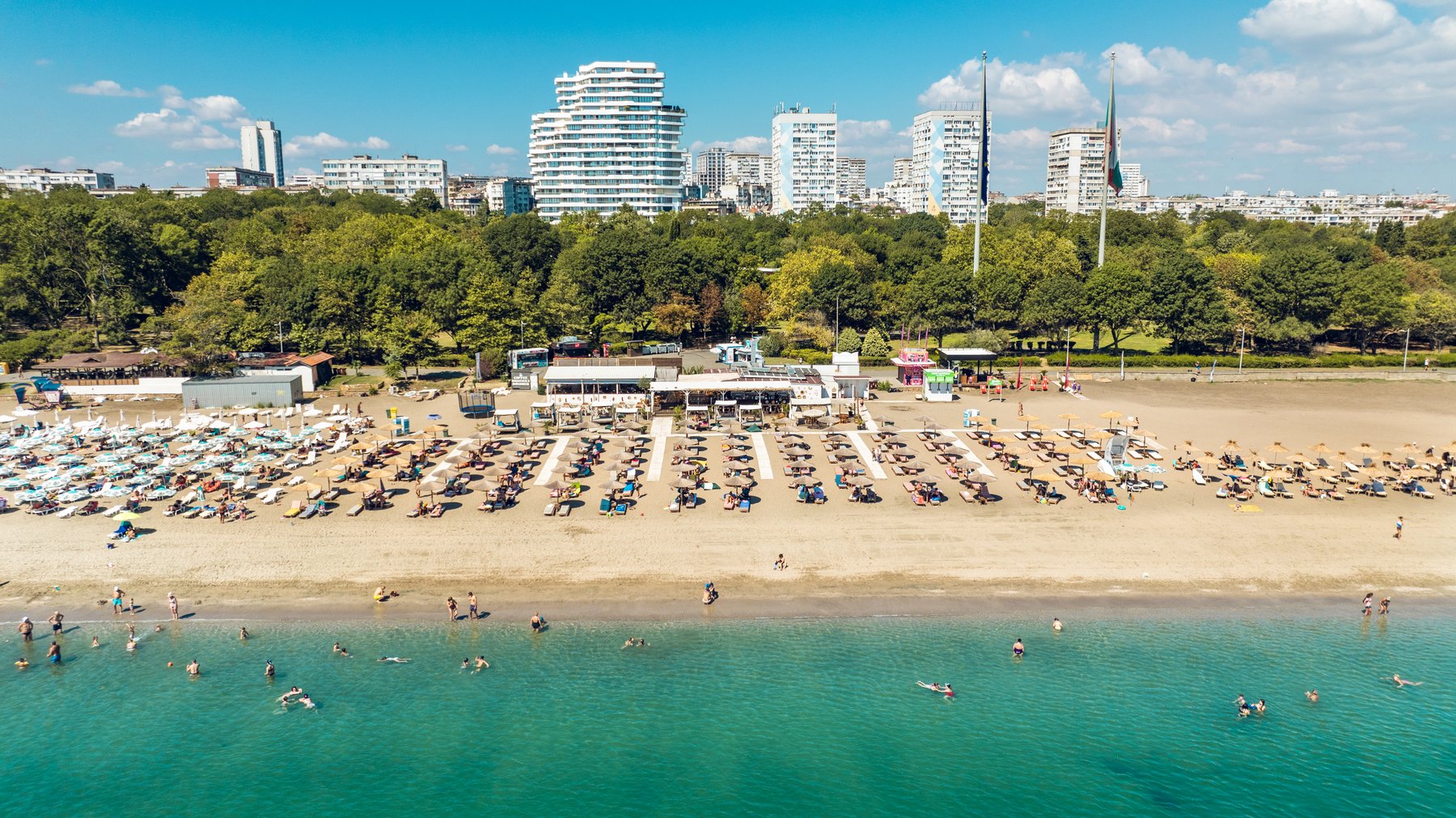
In the first week, mid-August, the light still falls from above. Shadows on the beach are short, hard-edged, with no mid-tones. The sea reflects everything, the air is heavy. This is "let's get this done fast" light — good for studio, poor for the coast.
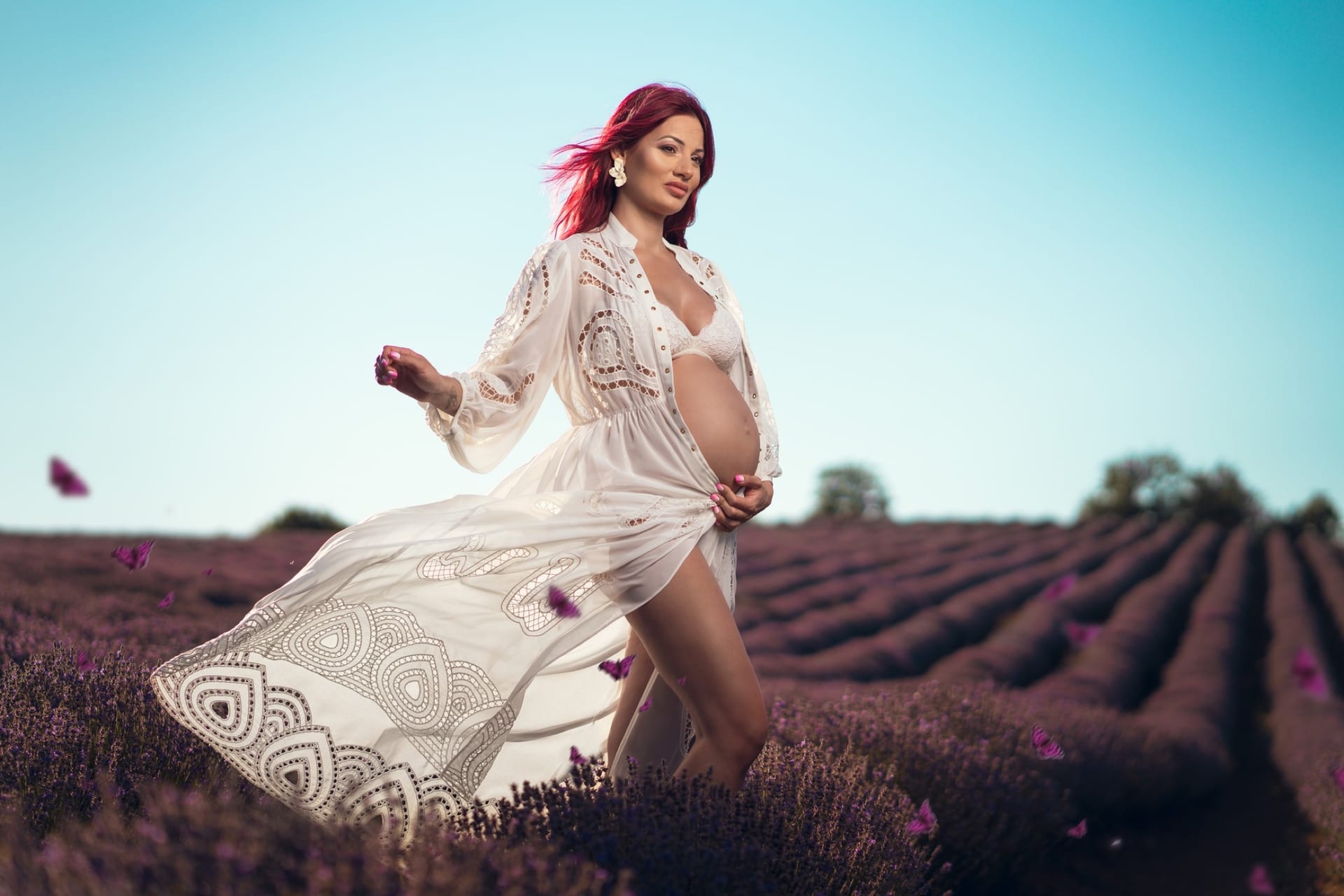
In the second week, something flipped. The wind turned east, the air dried out, and the sky took on that color the Italians call celeste — not blue, but something between blue and silver. From 6:30 PM onwards, every façade along the seafront turns warm. Shadows lengthen agonizingly slowly, every minute adding three centimeters.

By the third week, the light was already different. The morning hour started growing — the sun came up at 6:45 instead of 6:30 — and that shifts everything. Coastal mist now holds till 8 AM, not 6:30. That's the new morning.
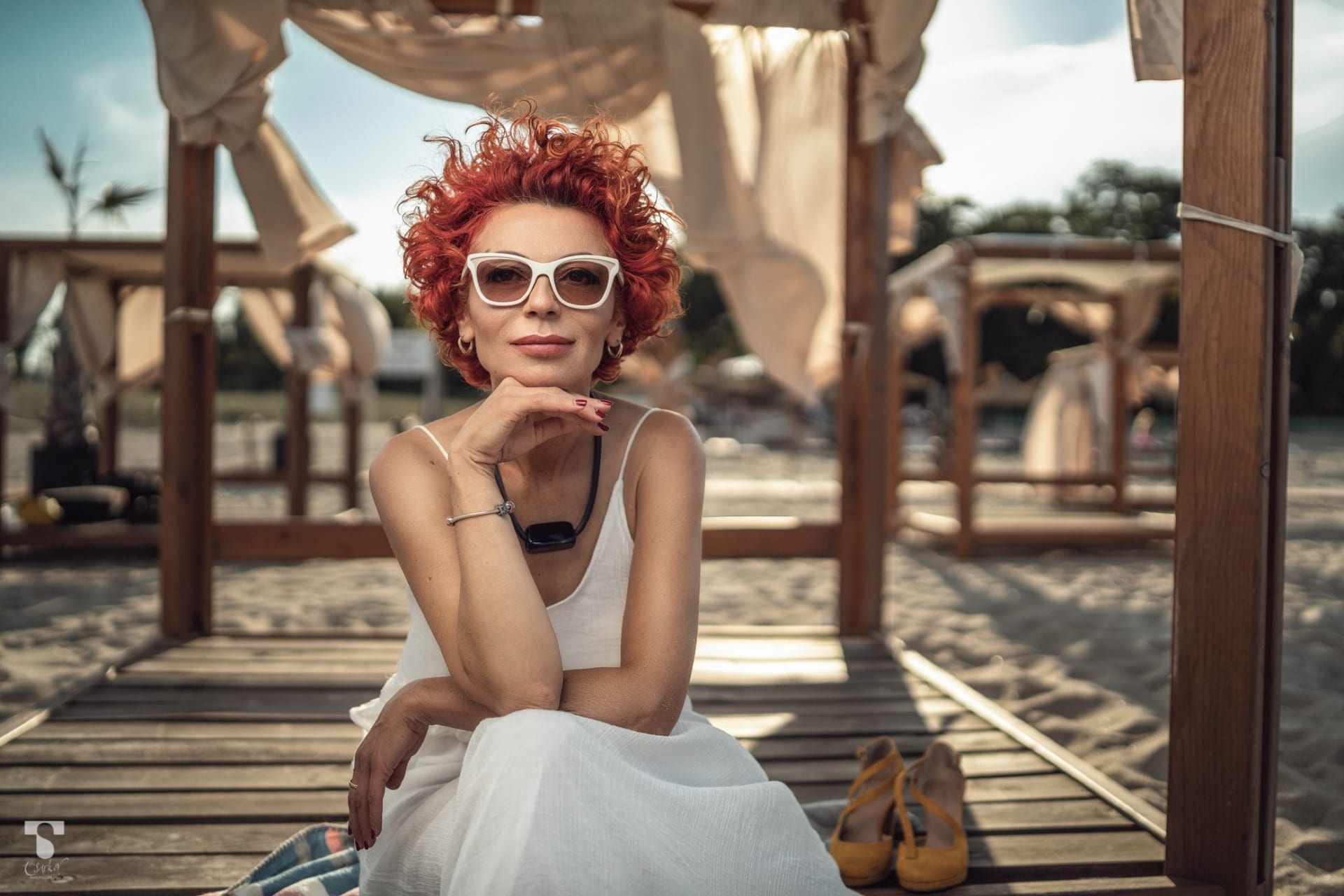
What the 50mm told me: you can't escape. If the frame doesn't work, don't zoom — get closer. If the light is bad, don't wait, go home. And don't carry filters. The Burgas air does it all on its own — it saturates colors between August and September in a way no ND or polarizer can imitate.
I kept 23 frames out of about 600. They aren't commercial. They aren't for the portfolio. This is my notebook for late summer — something I need before the wedding season starts, to enter it with a richer visual memory.
Ready to plan?
See what the packages include and where the prices start.