Fashion
The moodboard nobody sees
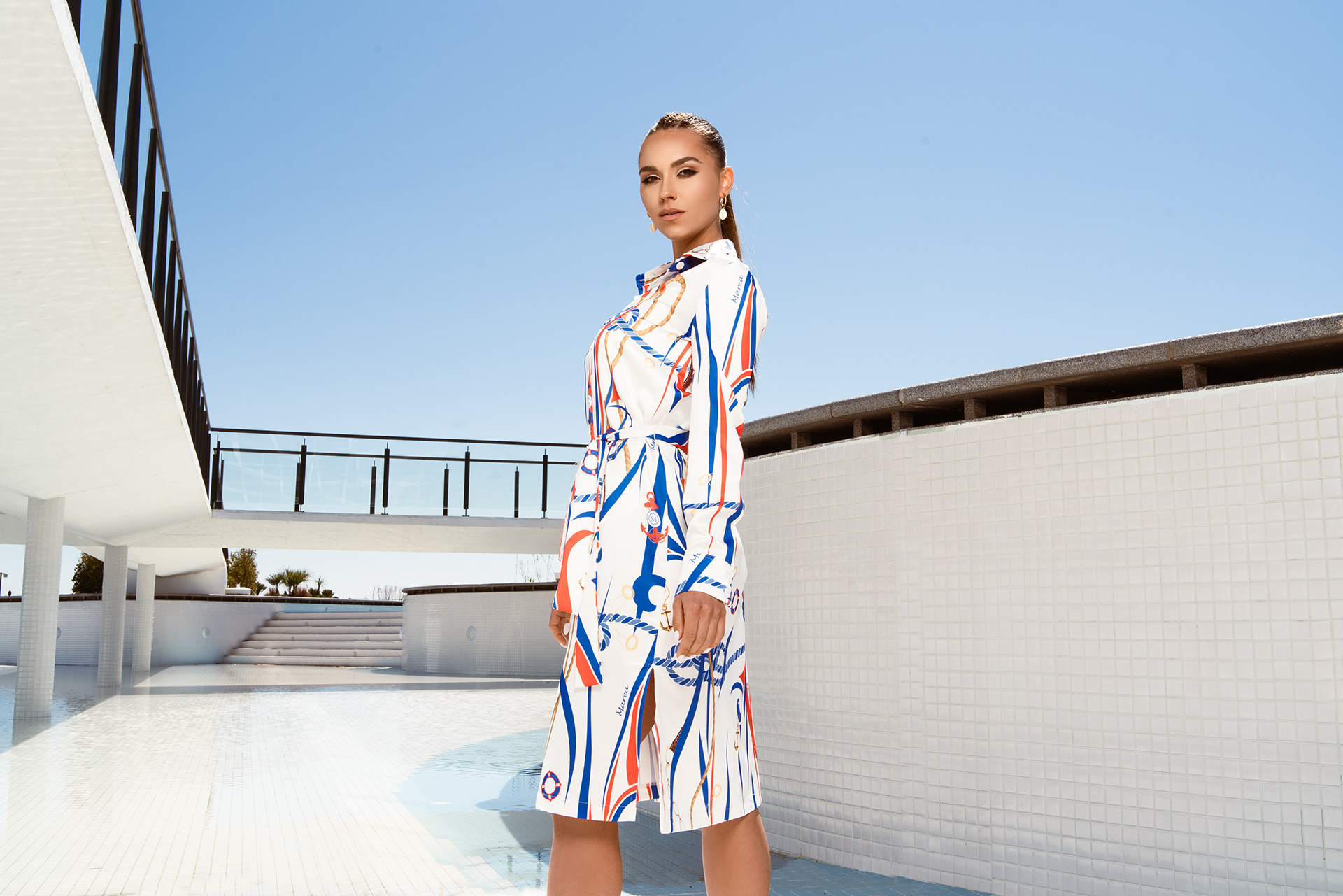
Before every fashion session I have 30 pages. Hair, makeup, color concept, locations, key poses, references from Vogue and i-D. I spend a week on prep. I send the moodboard to the stylist, to the model, to the agency. Everyone confirms. Then we shoot.

The first hour on set: half the moodboard becomes irrelevant.
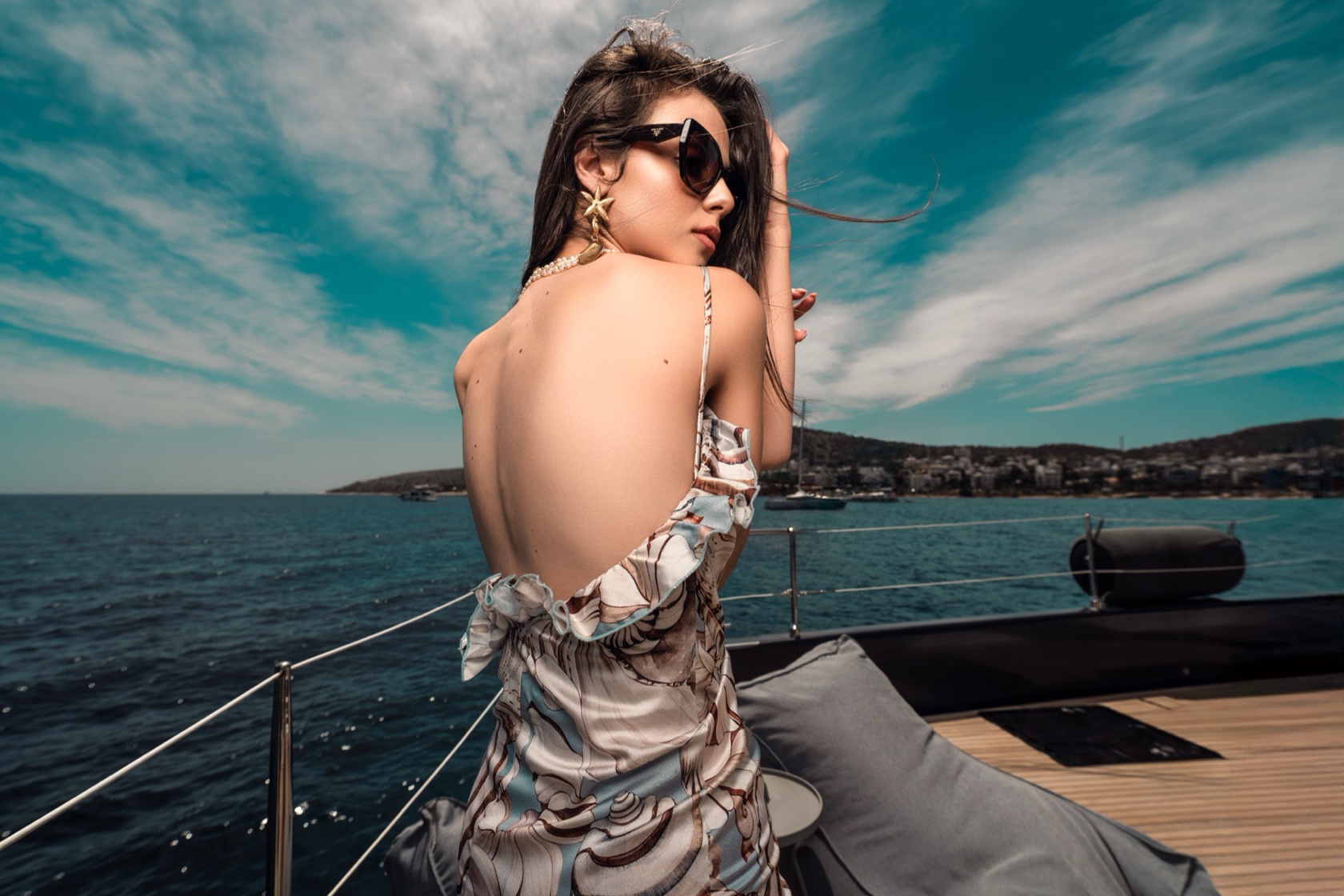
Because the wind blows. Because the model has a different mood than at the casting. Because the light is bluer than expected. Because the location looks different in daylight. Because makeup changes on the face between 8 and 11 AM. Because eight things happen no one can predict.

This sounds like failure. It isn't.
The moodboard's goal isn't to be executed literally. Its goal is to create agreement before the shoot. When six people walk onto the set — photographer, stylist, model, assistant, MUA, art director — they need to share a visual frame. Without a moodboard you have six opinions. With one you have a single opinion and six nuances.

Once the clock starts, the moodboard stays in the car. Now we work the moment. The model moves naturally. The light does something unexpected. The stylist sees a link between two garments that wasn't planned. This is the shoot day — it doesn't follow a plan, it follows the moment.

What survives:
One or two reference frames, max. From them I don't keep composition, I keep mood. I keep the color accent. I keep "this frame must feel strong," "this one must feel fragile." That's all the moodboard carries onto the set.
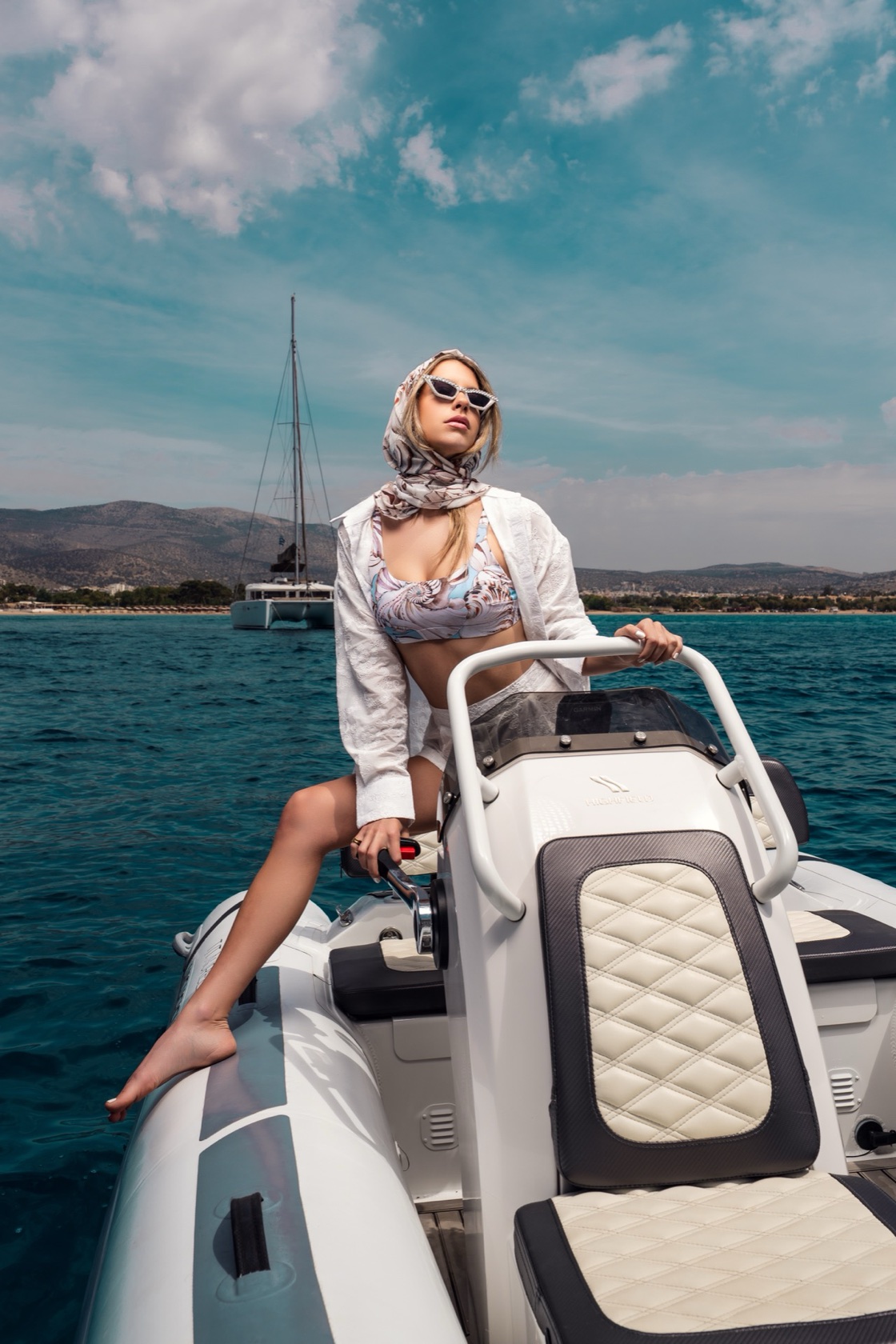
People sometimes ask: if we don't follow the moodboard in the end, why do we make it? Answer: because without it, everyone arrives with a different film in their head. With the moodboard we've all watched the same film. Now we can improvise a new scene together.
The moodboard nobody sees is process, not product. It doesn't go to the client. It doesn't go in the portfolio. It's a tool for eleven minutes before we begin — to say to each other "this is what we're doing, not that."
And then we forget it.
Ready to plan?
See what the packages include and where the prices start.