Christening
Christening photographer in Burgas — a complete guide to the ritual, the churches and the preparation
In this article
- Why hire a professional christening photographer
- How the christening ritual unfolds
- The godparent’s role
- When to shoot — light and moments
- The key frames that must not be missing
- The most beautiful churches for a christening along the southern Black Sea coast
- After the ritual — family frames and the celebration
- How to prepare your child for a calm christening
- When to book a christening photographer
- How much does a christening photographer in Burgas cost
- When and how you receive the photos
- Planning a christening in Burgas?
A christening passes quickly. An hour in the church, a few candles, a little water — and your child has a name before God and a memory they will carry for life. That is exactly why parents come to me with the same question: “How does it all go, and what should we prepare?” This is the honest, practical answer — from a photographer who has stood quietly in the corner of dozens of christenings in Burgas.
My goal here is not to sell you a package, but to get you into the church calm — knowing when the important moment comes, what the godparent brings, and why some frames happen only once. When parents are prepared, the ritual flows more easily and the photos come out real, not staged.
I work as a **christening photographer in Burgas**, but in practice I cover the entire southern Black Sea coast — from Pomorie in the north to Tsarevo and Ahtopol in the south. Over the years I've shot in almost every church along the coastline, and each has its own light, its own rules, its own rhythm. For families from the region, having a christening photographed in their own town is emotionally different — a memory in a familiar place, loved ones close by, a ritual in the church of their childhood. For those coming from Sofia, Plovdiv or abroad, the coastal churches add something extra — the sea outside, the white walls, a light different from the continental.
Whether it's a **christening photographer in Sozopol**, **a christening photographer in Nesebar**, **a christening photographer in Pomorie** or **a christening photographer in Tsarevo**, I come with the same attention — quiet presence, no direction, respect for the sacrament. The christening photos I keep are not "selected pretty moments" — they are the whole story of the day. From the arrival, through the immersion itself, to the first family frames in front of the church. When looking for a christening photographer along the southern Black Sea coast, look first at the style and the approach — gear can be bought, experience is accumulated.
Why hire a professional christening photographer
I know the question "why a professional and not a friend with a phone?" comes up often. So I'll say it honestly — not to convince you, but to help you decide knowingly.
**Gear matters, but experience matters more.** A modern phone takes wonderful photos of the child in the nursery. In a church, however, things are different — dim light, slow movement, harsh contrast between the candles and the shadows. The camera has to catch detail in half-light, without flash, without noise. It's not about a "prettier photo" — it's about frames that exist at all, in the right quality.
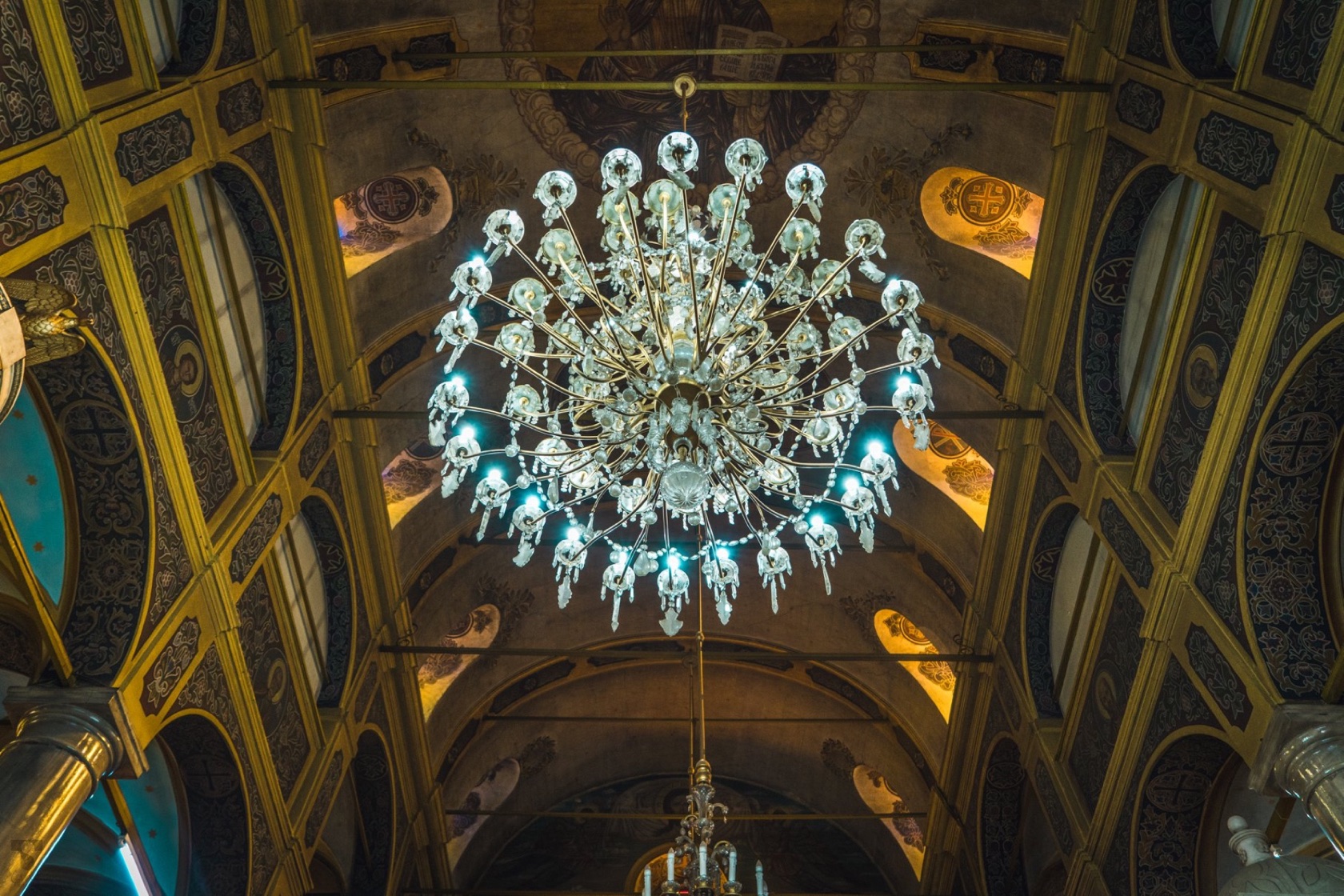
**Churches are technically hard to shoot.** Over the years I've shot in dozens of churches in Burgas, Sozopol, Nesebar and along the coast, and each time is different — the iconostasis reflects gold, the windows throw sharp rays, and the central area around the font is almost always darker than expected. I know which ISO works in which church, where to stand, when to fire, when to wait. That's not "intuition" — that's hundreds of repetitions.
**No flash — mandatory.** Flash kills the atmosphere of the ritual and often startles the child. Small ones react to bright light with crying — not crying from emotion, crying from fear. So I work with fast lenses (f/1.4 and f/1.8) and a camera with strong high-ISO performance. You receive frames where the church looks the way it is, not like a lit studio.
**Key moments happen only once.** The immersion lasts seconds. The parents' reaction — two or three seconds. The godparent holding the child before the iconostasis — only in one moment of the whole ritual. An experienced photographer knows exactly when those seconds will happen and is ready with focus, exposure and frame. The amateur usually reacts two seconds late — when the moment has already passed.
**Experience beats gear.** You can have the best camera in the world and miss the real frame because you were looking elsewhere. After dozens of christenings I now recognise the moment before it happens — by the priest's breathing, by the godparent's stance, by the light through a window. That can't be bought, only accumulated.
With that said — the choice whether to use a professional is yours. But if you're deciding between "free from a friend" and "professional", look at photos from both first. The difference will speak louder than any text. If you'd like to feel my style, browse the christening portfolio — it gathers frames from many churches and families.
How the christening ritual unfolds
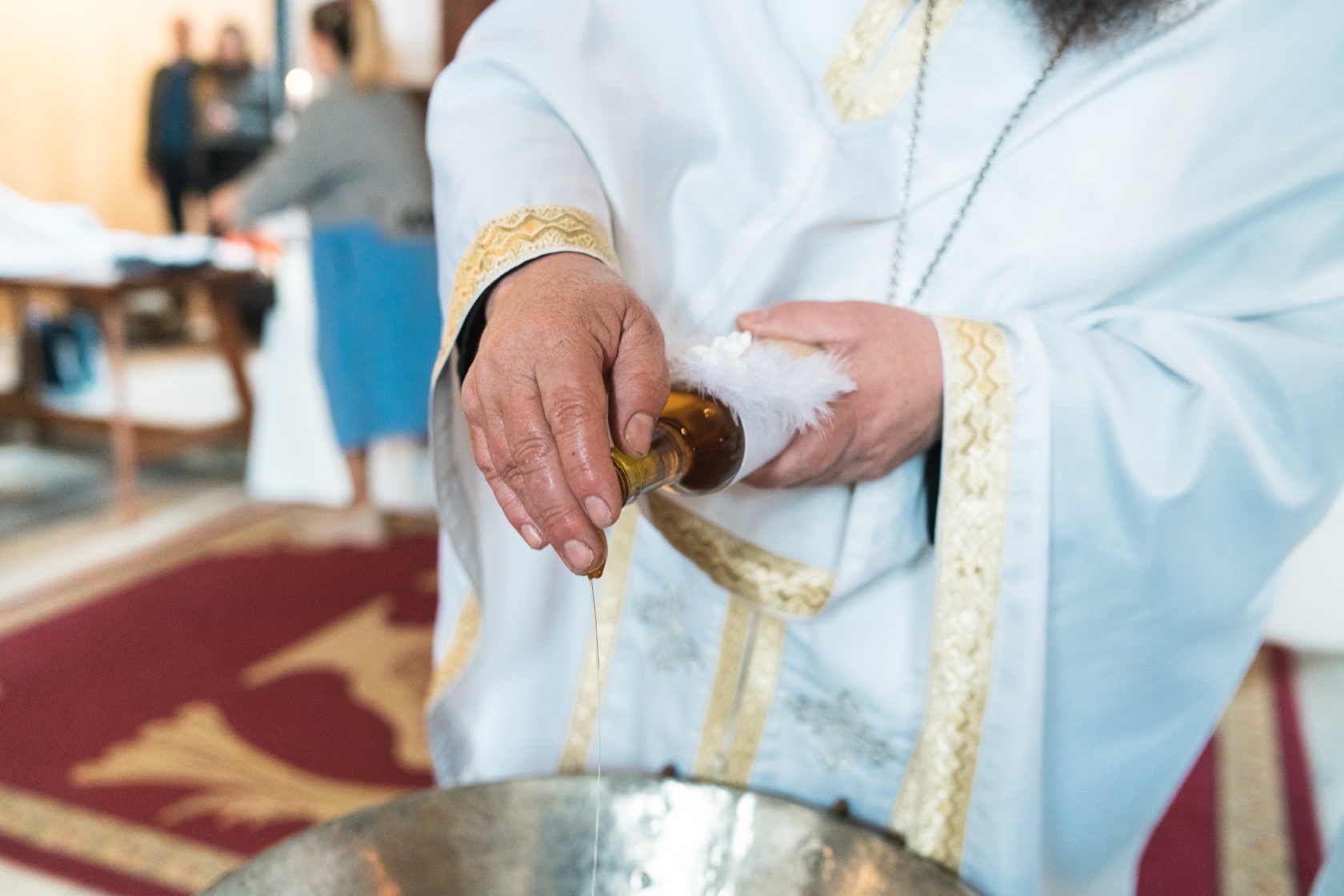
An Orthodox christening follows an order that barely changes — so if you know it in advance, nothing will surprise you. The priest leads, the godparent holds the child, and the parents often watch from the side in the first part. Here is how it goes, top to bottom:
- Arrival outside the church and first frames with the family
- The opening prayers and the renunciation of evil
- Blessing of the water in the font
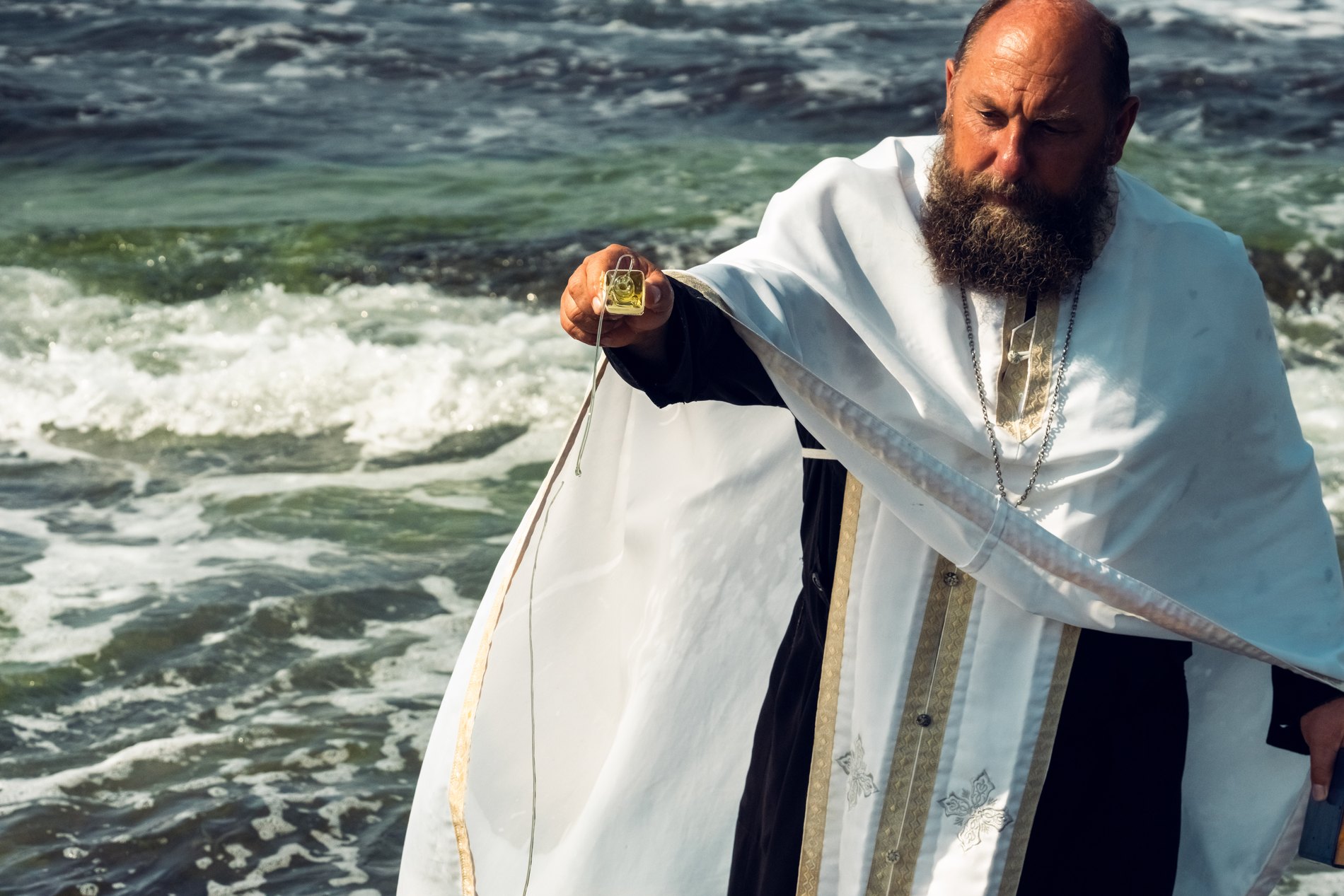
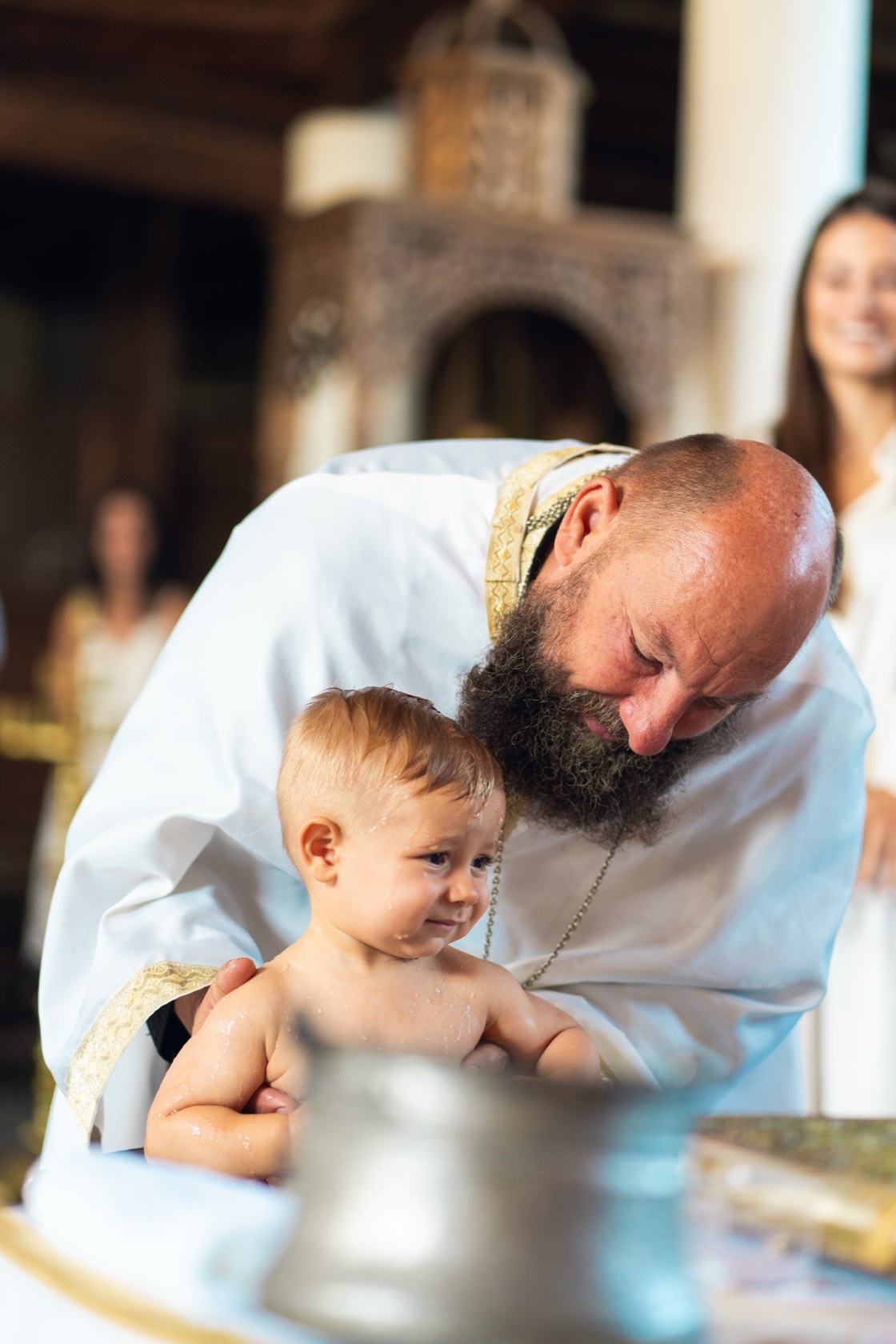
- The immersion — the climax of the ritual
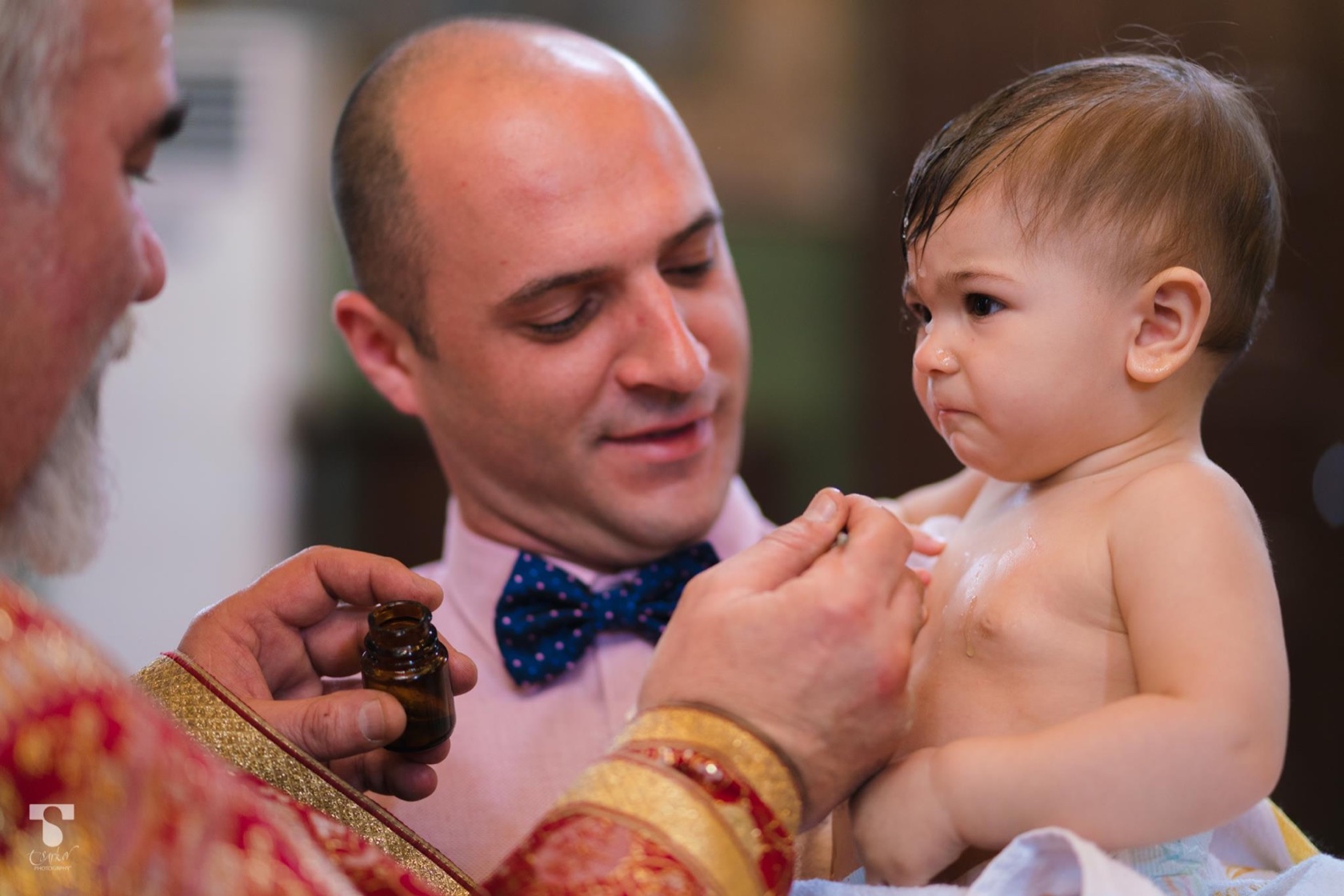
- Anointing with the holy chrism
- A symbolic snip of hair in the sign of the cross
- Circling the font with candles
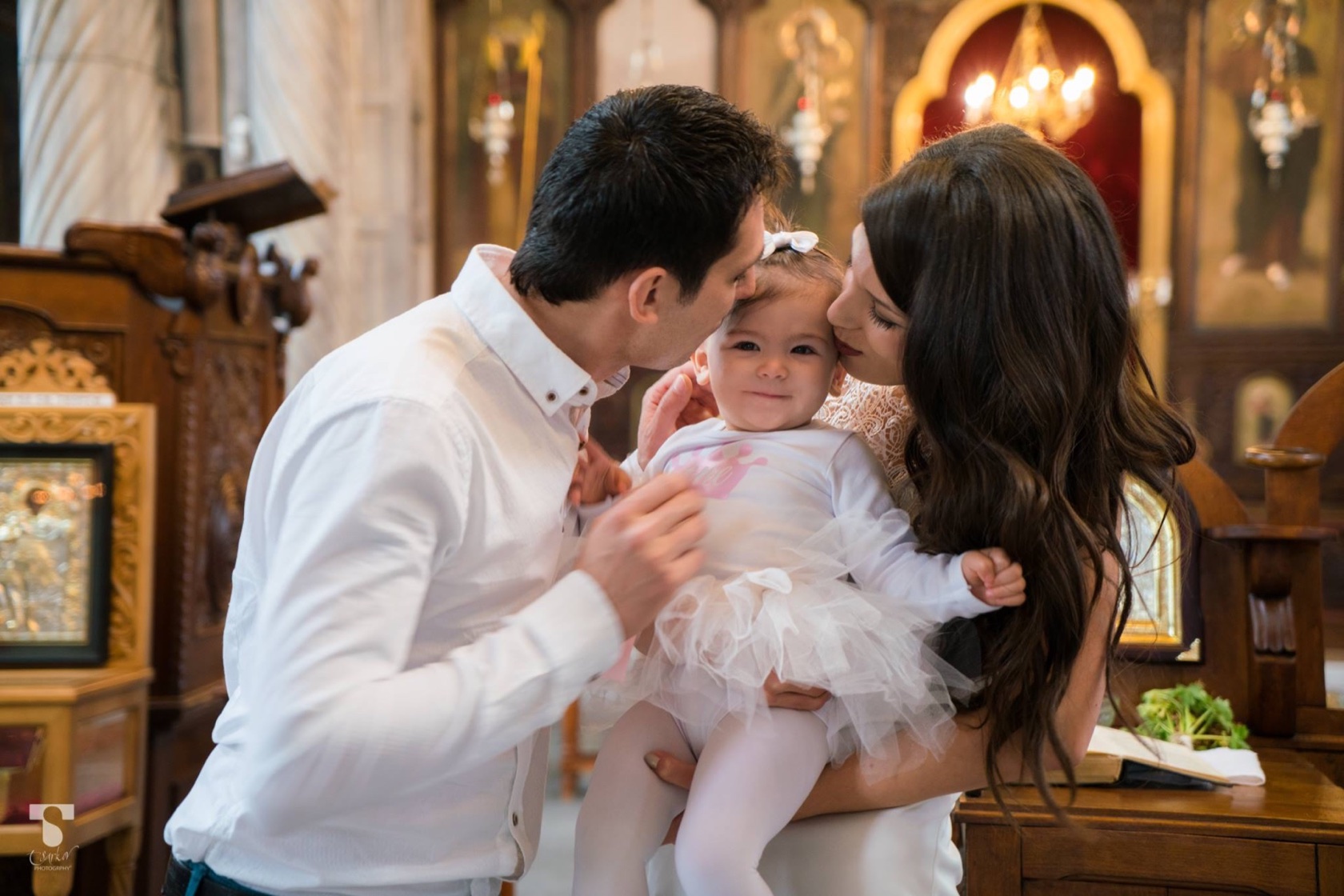
- First family frames right after the sacrament
The whole sacrament lasts about 30–45 minutes. Sometimes the baby sleeps, sometimes it cries at the immersion — both are normal, and I photograph them as they are. I work quietly, without directing and without a flash in the child’s face; in a church you shoot with respect, not stage direction.
The godparent’s role
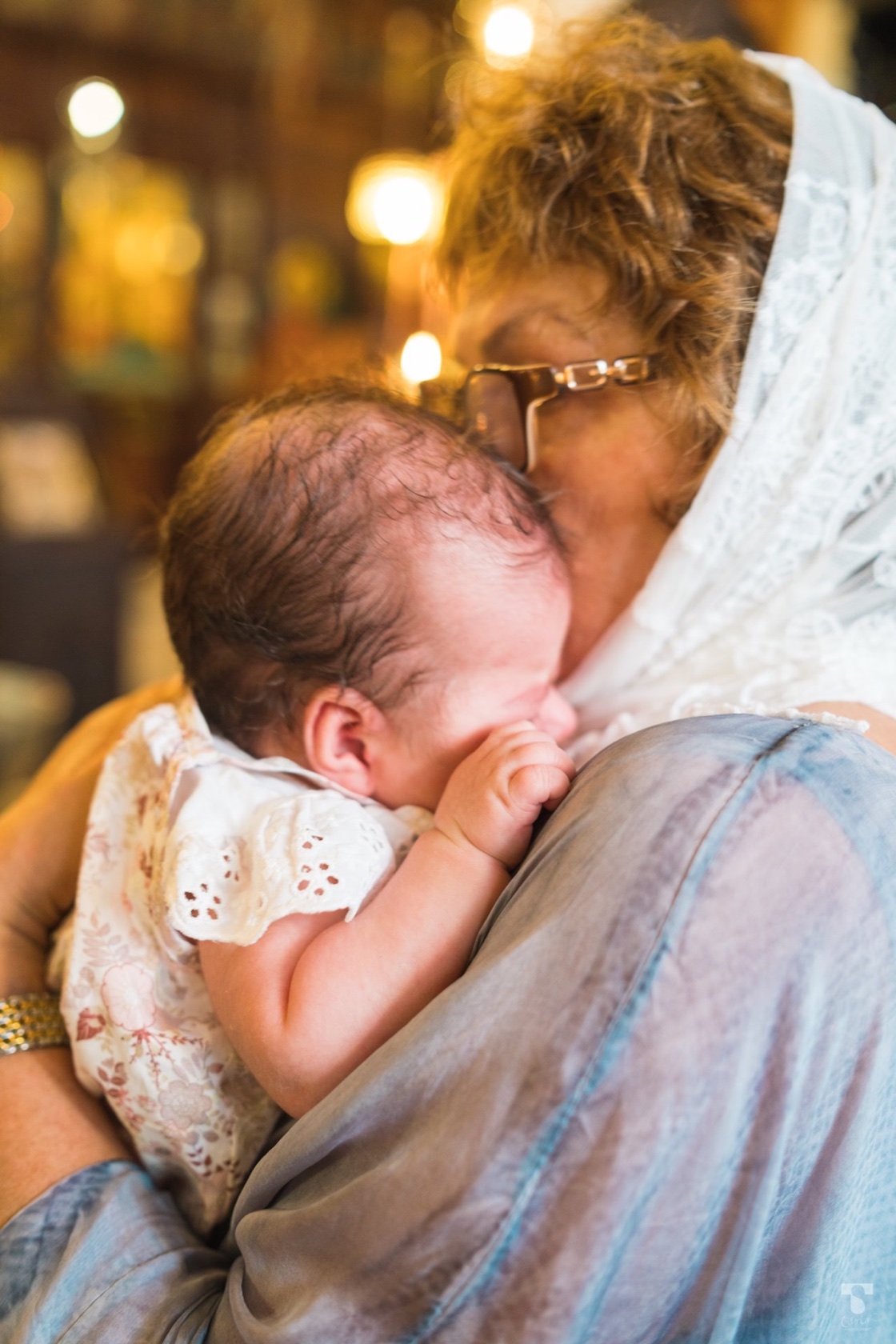
The godparent is among the main figures of the day — they hold the child in the most important moments and take on spiritual responsibility for them. That is why the frames with the godparent are the ones looked at longest afterward. It helps to tell them in advance what is expected and what to bring:
- The christening gown and a white cloth
- A candle for the ritual
- Sometimes a small cross for the child
- A towel for after the immersion
- And most of all — calm hands, because the child feels them
When to shoot — light and moments
Most churches in Burgas have soft, warm light — beautiful, but difficult. Midday sun throws hard shadows through the windows, while the early afternoon and the hour before sunset are kindest both for the outdoor photos and for the child’s mood. If you have a choice of time for the christening, ask me — I will tell you when the light will be on your side.
Inside the church I shoot the available light and the candles, without blinding the child with a flash. That way the frames keep the atmosphere of the place — the gold of the iconostasis, the small flames, the shaft of light through a window — instead of looking studio-lit.
The key frames that must not be missing
Some moments happen once and do not get a second take. I watch for them the whole time, while in parallel making the calmer portraits. Here are the frames I always keep:
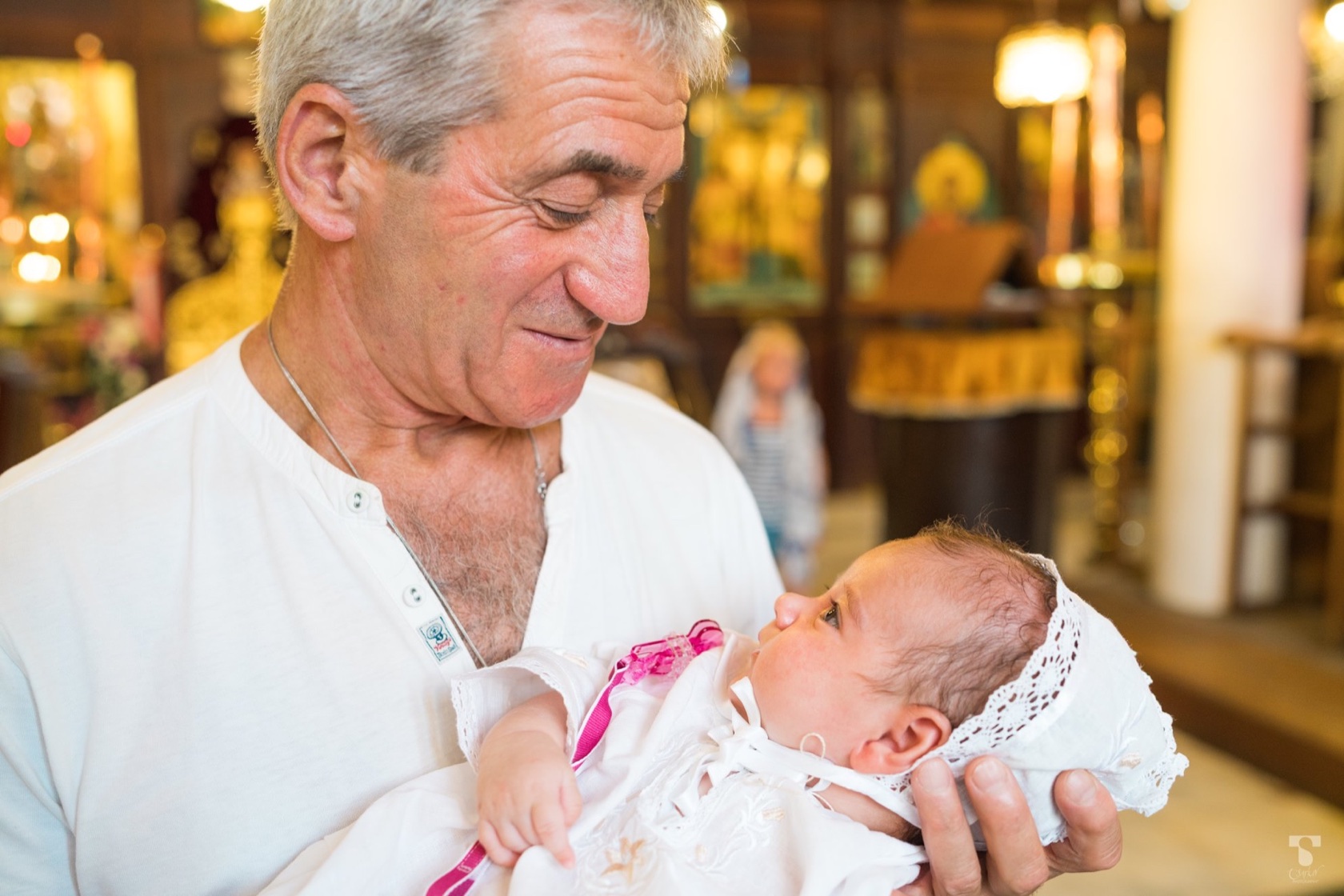
- The arrival and the first meeting with the godparent
- The details — gown, cross, candle, icon, ceremonial bread
- The immersion and the parents’ reaction
- The anointing and the snip of hair
- The hands of the grandparents
- The candles and the circling of the font
- The family portrait after the sacrament
If you would like to feel the style before you write, browse the christening photo gallery — it gathers frames from different churches and families.
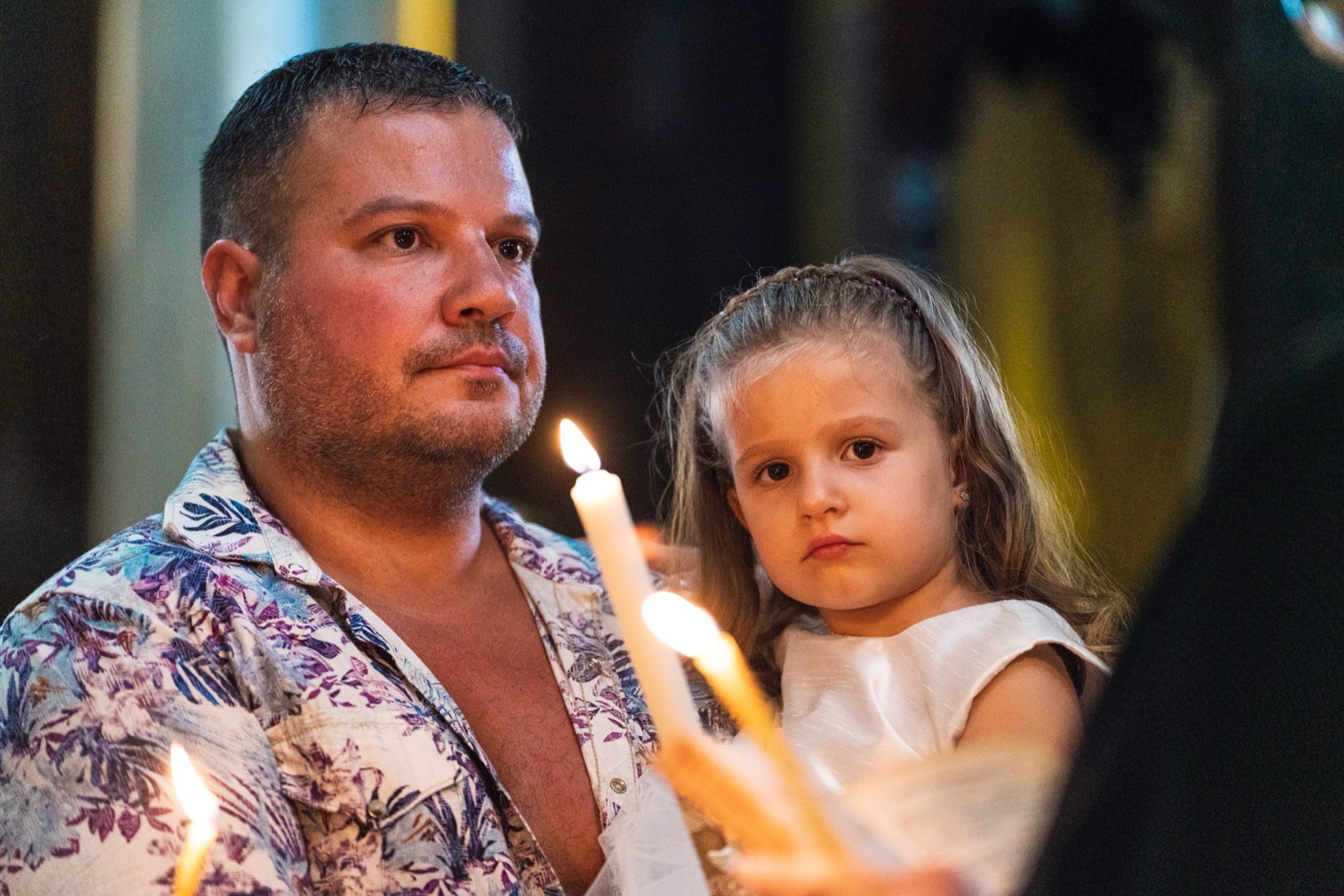
The most beautiful churches for a christening along the southern Black Sea coast
I've shot christenings in almost every church along the coastline — from the cathedral in Burgas to the intimate churches in Tsarevo. Each has its own character, light and rhythm. Here is a short guide to the main locations:
Christening in Burgas
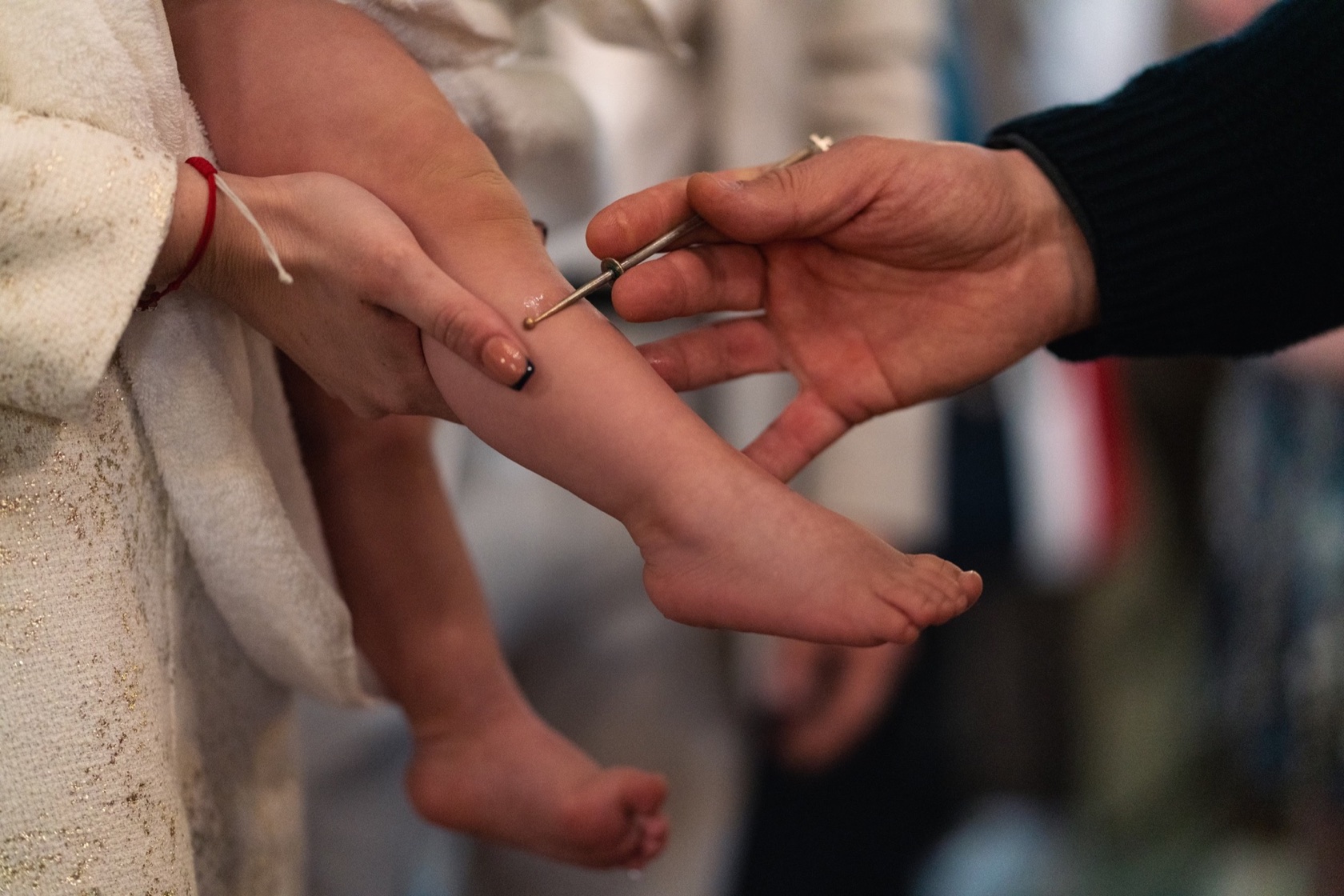
Burgas has several main churches. **"Sts. Cyril and Methodius" Cathedral** is the largest and most solemn — spacious interior, high ceiling, plenty of "air" for the frames. Suitable for larger family ceremonies with many guests. **"St. Mary"** in the old town is smaller, warmer, with wooden elements and the atmosphere of another century — good for intimate family rituals. **"St. Ivan Rilski"** and **"St. Athanasius"** are calm and bright, especially in the morning hours when light falls softly through the side windows.
Christening in Sozopol
Old Sozopol has several small churches with stone walls and softened light. **"St. Mary"** in the old town is exceptionally photogenic — stone architecture, narrow windows with a bright afternoon ray, wooden icons. For families coming from Burgas, Sozopol adds a distinct coastal atmosphere plus the option for family frames by the sea right after the sacrament. I recommend early afternoon — the tourist flow hasn't peaked yet.
Christening in Nesebar
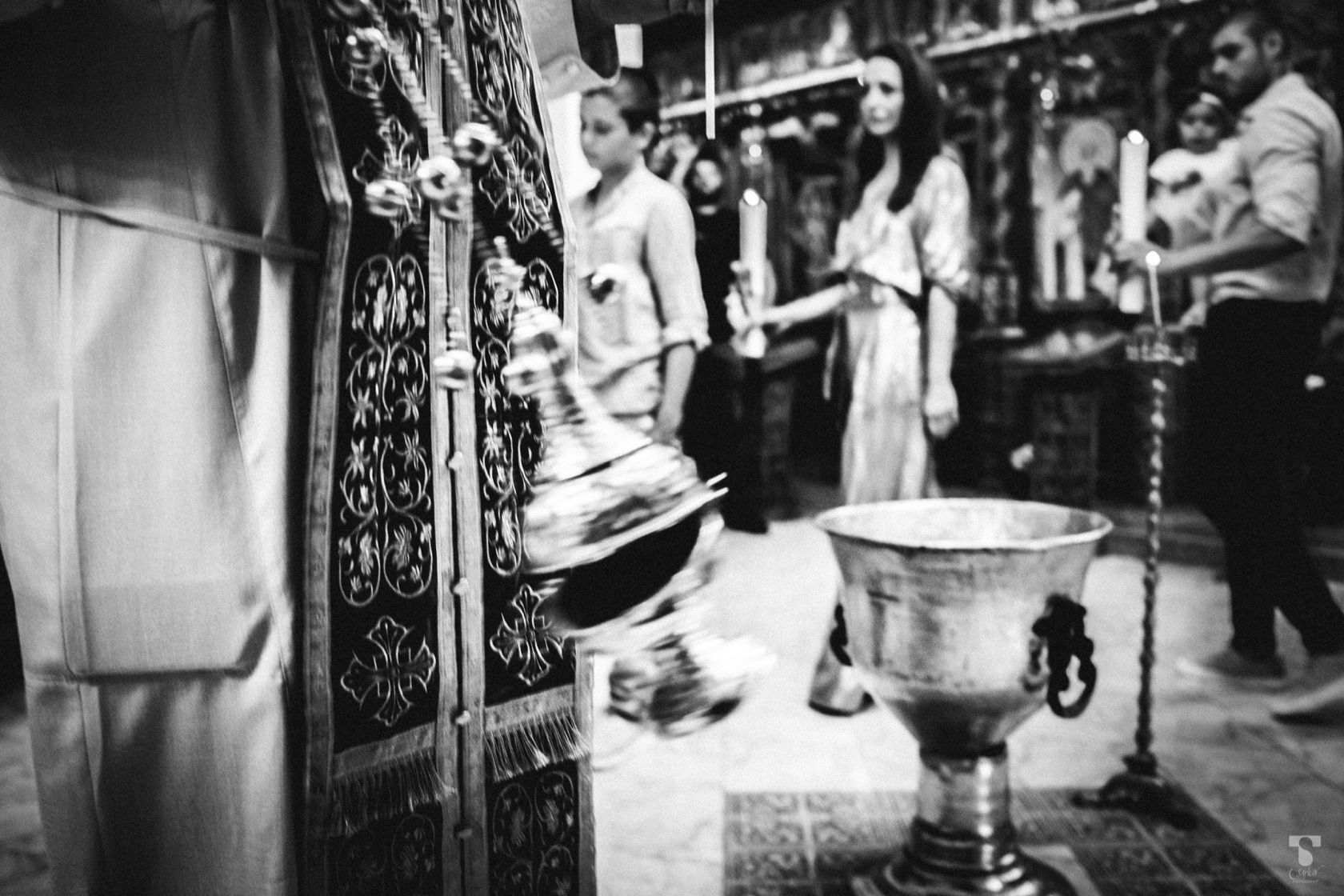
Nesebar is exceptional for its historic churches. However, not all churches in old Nesebar perform christenings — most sacraments are held at **"Ascension of the Lord"** or at the newer churches outside the fortress walls. The old ones like **"St. Stephen"** and **"St. Saviour"** carry frescoes from the 16th–17th centuries and are among the most photogenic in Bulgaria, but they are usually museum-only. I'll guide you in advance on which church works and what light to expect.
Christening in Pomorie
Pomorie has several calm churches with pleasant light — **"Transfiguration of the Lord"** is among the main ones. The town is especially suited for families combining a christening with a family beach holiday; the ritual is usually in the morning or early afternoon, and the day continues by the salt pans or on the beach. The family frames here have a distinct palette — sea light, softer shadows, achievable only in a coastal town.
Christening in Tsarevo
**The Church of the Dormition („Sveto Uspenie Bogorodichno“)** in Tsarevo is an especially beautiful church for seaside christenings. Small, intimate, with a view of the harbour. Ideal for families who prefer a quiet coastal atmosphere without the crowds of Nesebar or Sozopol. After the sacrament we can take a short family walk along the fishing pier — the frames there become exceptionally warm in late afternoon.
Christening in Sveti Vlas
Sveti Vlas has several newer churches that work beautifully with natural light — light walls, wide windows, a softly reflecting iconostasis. Suitable for families living or holidaying in Sunny Beach who prefer a nearby location without travelling far with a small child. After the ritual, the yacht marina offers a beautiful backdrop for the family portraits.
Christening in Chernomorets
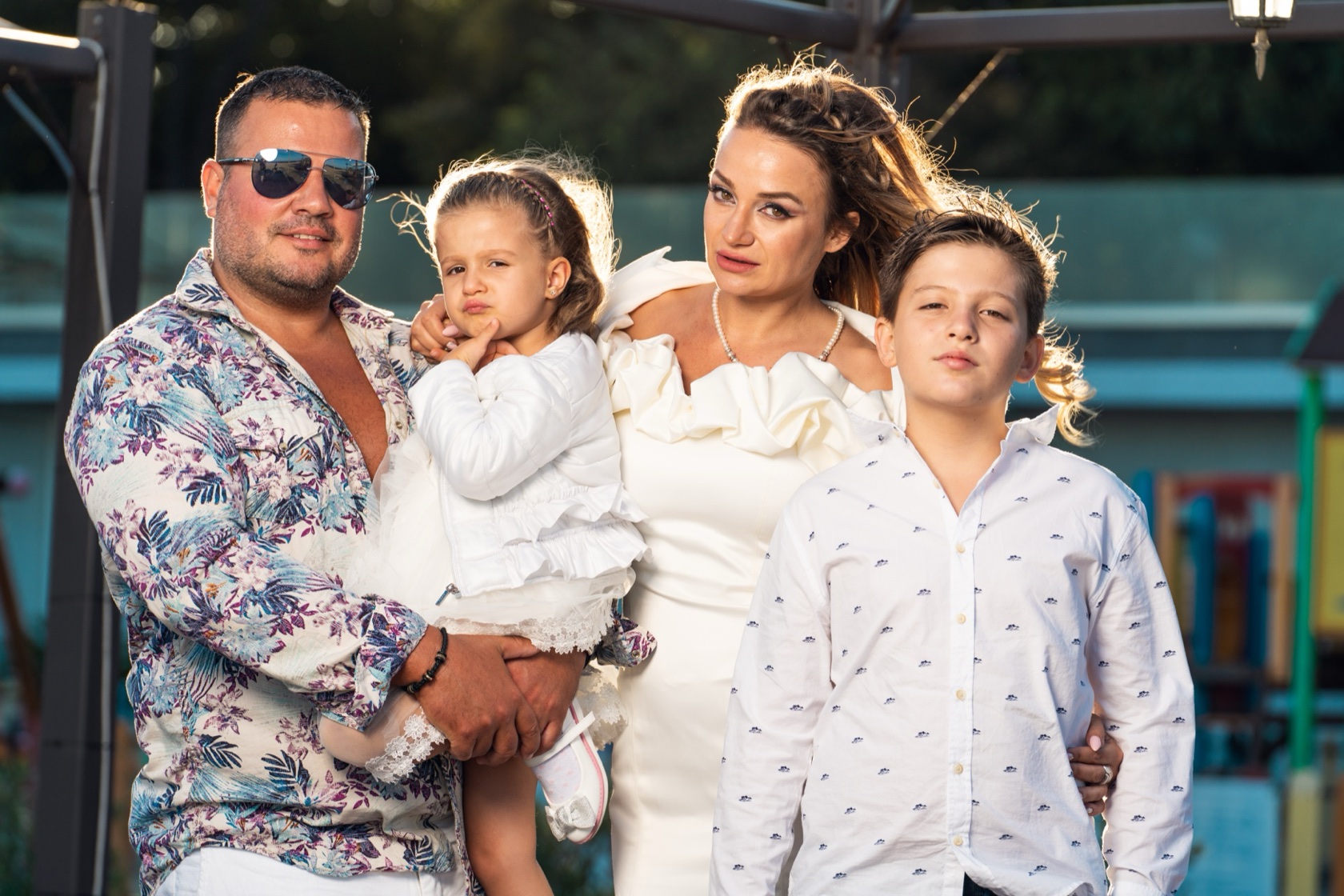
The small church in Chernomorets is among the cosiest along the coast. An intimate setting for smaller family rituals, with easy beach access for family frames afterward. Particularly suited for families who want "no fuss" — a quiet sacrament, family nearby, a quick walk to the beach for the first portraits of the child as a Christian.
Different priests have different requirements for the photographer — in some places I can move freely, in others I have to stay in one spot, in some they don't allow photography during the sacrament at all. So I always arrive early, introduce myself and agree beforehand; that way during the ritual itself I work quietly and without fuss. One of the most common questions parents ask me is "can you help us choose the church" — yes, if you haven't decided yet, send me the town and approximate guest count and I'll point you to the most fitting one for your case.
After the ritual — family frames and the celebration
After the sacrament we usually set aside 20–30 minutes for family portraits — outside the church or nearby, while everyone is together and dressed for the occasion. If the christening continues with a lunch or dinner, I come there too for the more relaxed frames: the toasts, the cake, the child at the center of attention. This part is lighter and happier — the balance between the church and the celebration makes the story whole.
How to prepare your child for a calm christening
Many parents worry the child will cry. It's the most common fear they come to me with. But crying spoils nothing — it is part of the day and often makes the most human frames. Still, a few simple things help keep the child calm:
- A well-rested child is calmer — plan the time around the afternoon nap
- Feed it a little before the ritual, without overdoing it
- Bring spare clothes and a favorite toy or pacifier
- Fewer unfamiliar hands and less noise around it before the sacrament
- Calm parents = a calm child; it senses your mood
When to book a christening photographer
One of the most common questions parents ask me is "when exactly should we book you?". The answer depends on the month and the day of the week you're planning the sacrament.
**The summer season (May–September) is busiest.** During these months the coastal churches see christenings almost every weekend, and the good dates fill up 2-4 months in advance. Particularly busy are **the first two Saturdays of July**, the September weekends and the Saturdays around major holidays like the Dormition (15 August). If you're planning a summer christening, don't delay — the good Saturdays are the first to go.
**The winter season is calmer** — November to March usually sees fewer christenings, and a booking within 2-3 weeks is fully realistic. It's also a good time for families who prefer a more intimate setting with fewer tourists in the church.
**Recommended lead time:** for summer christenings — at least **2-3 months ahead**. For winter — 3-4 weeks is enough. If you have a specific Saturday in mind, don't delay — Saturdays fill first, especially in the active season.
When you message me, send the **date, the church and the approximate time**. Within 24 hours I'll tell you whether the date is open and what's realistic for the day. If you have flexibility on the hour — we discuss which time gives the best light for your specific church.
How much does a christening photographer in Burgas cost
The cost of a christening photographer in Burgas depends on several main factors. There's no single universal figure — it depends on what you want to receive and how the day will unfold.
**What influences the price:**
- **Coverage duration.** Just the sacrament itself (1-2 hours) or the entire event — from the preparations at home, through the church, to the celebration afterward? More hours mean a larger volume of frames and a higher price.
- **Photo or photo + video.** Photo packages are the baseline. If you also want a short film of the day, a videographer joins as a second person, which changes the figure.
- **Number of guests and volume of frames.** A small family ritual with 10 people generates different work than a celebration with 70 guests. More guests — more portraits, more party moments, more editing hours.
- **Location.** A christening in Burgas, Pomorie or Nesebar usually carries no extra travel fee (covered within 100 km of Burgas). Locations beyond the coast (Sofia, Plovdiv) or destinations abroad — a travel fee is added.
- **Albums and prints.** A digital gallery is standard. If you want a printed photobook, photo album or prints — these are ordered separately.
- **Additional services.** Express delivery (under 1 week), extra edits, a second photographer for parallel coverage — all possible for an additional fee.
For a full overview of the current packages and what each includes, see the pricing page. For an individual quote — write to me with the details of the day and I'll return a concrete figure within 24 hours. If you're a family planning a wedding or another family session, mention that — I have separate terms for combined services (see also the wedding photographer Burgas or the proposal photographer package).
When and how you receive the photos
You receive the finished frames in a private online gallery, from which you download everything in full quality and share with family. I edit them carefully — colour, light, atmosphere — not on a conveyor belt. The exact number of frames, and whether a videographer is included, depends on the package; see the current christening packages and prices.
Planning a christening in Burgas?
If you're reading this, you're probably somewhere in the middle of the preparation — between choosing the date, the conversations with relatives and the thousand small questions. I know how busy it can be. And I know the photographer is just one of dozens of things you have to decide.
So I'll just say this: **choose calmly**. Don't rush, don't click the first name Google offers you. Look at full christening galleries — not just selected frames — and see if the style speaks to you. A photographer can take pretty single shots, but the good frames come when the person knows the ritual, knows the light in the church and works quietly.
I've been a christening photographer in Burgas for years — I've shot in almost every church along the coast, I know the priests, I know the quiet moments of the sacrament. I don't work for volume; I work for **memories parents look at again ten years later**. If you feel my approach speaks to you, write to me with a few words about the day. If not — don't rush; find the person who speaks to you. Both choices are right, as long as you choose calmly.
If you already have a date, it is best to write a few weeks ahead — the good Saturdays fill up fast. Get in touch with a few words about the day — church, time and how many guests — and I will tell you what is realistic and how to make it beautiful.
Ready to plan?
See what the packages include and where the prices start.
Frequently asked questions
- How long does a christening last?
- The sacrament itself is usually 30 to 45 minutes. With the arrival, the family photos afterward and the celebration, the day can take several hours.
- Can photos be taken in the church during the ritual?
- In most churches in Burgas — yes. Every priest has his own rules, though, so I arrive early and agree with him; I shoot quietly, without a flash in the child’s face.
- What does the godparent bring?
- Usually the christening gown and a white cloth, a candle for the ritual, sometimes a small cross for the child, and a towel for after the immersion.
- What is the best time of day for nicer christening photos?
- Early afternoon and the hours before sunset give the softest light. If you have a choice, fit the time around the child’s afternoon nap too.
- How many photos do we get, and when?
- You receive the edited frames in a private online gallery in full quality. The exact number depends on the package — the details are on the pricing page.
- Do you also offer video?
- Yes. In the “Cinema” package a photographer and a videographer work together, so you get a short film of the day, not only photos.
- Do you shoot christenings outside Burgas?
- Yes — along the whole south coast, including Sozopol, Nesebar, Pomorie and Tsarevo. Just tell me the church and the time.
- How far in advance should we book?
- The earlier the better — especially for Saturdays in the warm months. For summer christenings I recommend 2-3 months ahead; for winter — 3-4 weeks is enough. The first two Saturdays of July and the September weekends fill fastest.
- What should we wear to a christening?
- For parents — formal but comfortable. Light colours or pastel tones work best in church lighting — cream, white, light grey, pastel blue, powder. Avoid loud prints and heavy black — they "weigh" on the frames in the dim light. For the godparent — formal attire, shirt/jacket or an elegant dress. For the child — the christening gown is standard, plus a spare set for after the immersion.
- Do you shoot in Sozopol and Nesebar?
- Yes — I've shot christenings in almost every church along the southern Black Sea coast, including Sozopol (the old town), Nesebar (mainly "Ascension of the Lord"), Pomorie, Sveti Vlas, Chernomorets, Tsarevo, Ahtopol. Covered with no extra travel fee within 100 km of Burgas.
- Do you offer a photobook or printed album?
- Yes. A photobook or printed album is the best way for christening photos to live beyond the screen. I work with a few trusted print partners — covers and papers come in several options (cloth, leather, wooden cover). They're ordered separately from the package and usually take 3-4 weeks to produce.
- What if the child cries during the sacrament?
- Crying spoils nothing. On the contrary — it often makes the most human frames. I shoot both the quiet moments and the crying with the same attention. Small children react in different ways to the immersion; no parent regrets later seeing the real expression of the moment rather than a reconstruction. If the child is very unsettled, I'll wait for the calm moment for the portraits — I never direct parents to "calm them" for the sake of the frame.
- When is the best time to take the family photos?
- Right after the sacrament — usually 20-30 minutes outside the church or nearby, while everyone is together and dressed for the occasion. This is also when the child is still in the christening gown (or in a fresh one) and the family's emotion is still alive. If you go to a celebration afterward, we can do a second short series there for the more relaxed frames.
- Can you shoot the celebration after the church too?
- Yes. This is added coverage in the higher packages — the cake, the toasts, the parents with the child at the table, the guests. This part is lighter and happier than the church; the balance between the two rituals makes the story whole. For individual details — we coordinate hours and volume at booking.
- Do you offer video coverage of the christening?
- Yes — in the "Cinema" package, a photographer and a videographer work together, so you also get a short film of the day (usually 3-5 minutes), not just photos. The videographer works in parallel, with the same care for the silence of the ritual. You receive the film edited and graded in a style that matches the photo series.
- Can there be two godparents?
- From a photography standpoint — yes, of course. Two godparents are increasingly common and for the photos it's even beautiful — more hands, more emotion, more frames with loved ones. From the church canon perspective, however, check in advance with the specific priest — practices differ between churches. Different priests have different requirements.
- How long do you keep the photo archives?
- I keep archives for a minimum of 5 years — on two independent backups (local RAID + cloud). If years later you lose your file, you can write to me and I'll restore the gallery. This is important because a photobook or print may be wanted years later — not just in the first months.