Events
One evening in frames: how an event is photographed
Every event is a book that gets written only once. There is no draft, no second take, no “let’s do that again for the photo”. There is one evening, one venue and a few hours in which dozens of small stories happen — and the photographer is the person who has to write them down while they are still happening.
This article isn’t about one particular event. It tells the plot that repeats at every one of them — from a shop opening to a concert for thousands. The photos are from my events portfolio: the “Obicham Burgas” (I Love Burgas) concerts at the Summer Theatre, openings, masquerades and a groundbreaking. If you’re organising an event in Burgas or on the coast, this is what it looks like through the lens — chapter by chapter.
At an event, there is no second take.
Prologue. The empty hall
The quietest hour of any event is the one before it. The chairs are lined up, the microphone isn’t on yet, the technicians are testing the lights one by one. That’s when I walk the room. I look at where the light comes from, where the speaker will stand, where the guests will come in, and where the one spot is from which you can see both the stage and the hall. What I learn in twenty minutes in an empty room decides half of the evening’s frames.
That’s why before every event I ask the same things. What the programme is and which moments are key. Which people absolutely have to be photographed. What the images are for — website, press, social media, a report to sponsors — and how quickly you need them. The answers to those four questions are the script. Without them, I’m shooting an improvisation.
Chapter one. The doors open
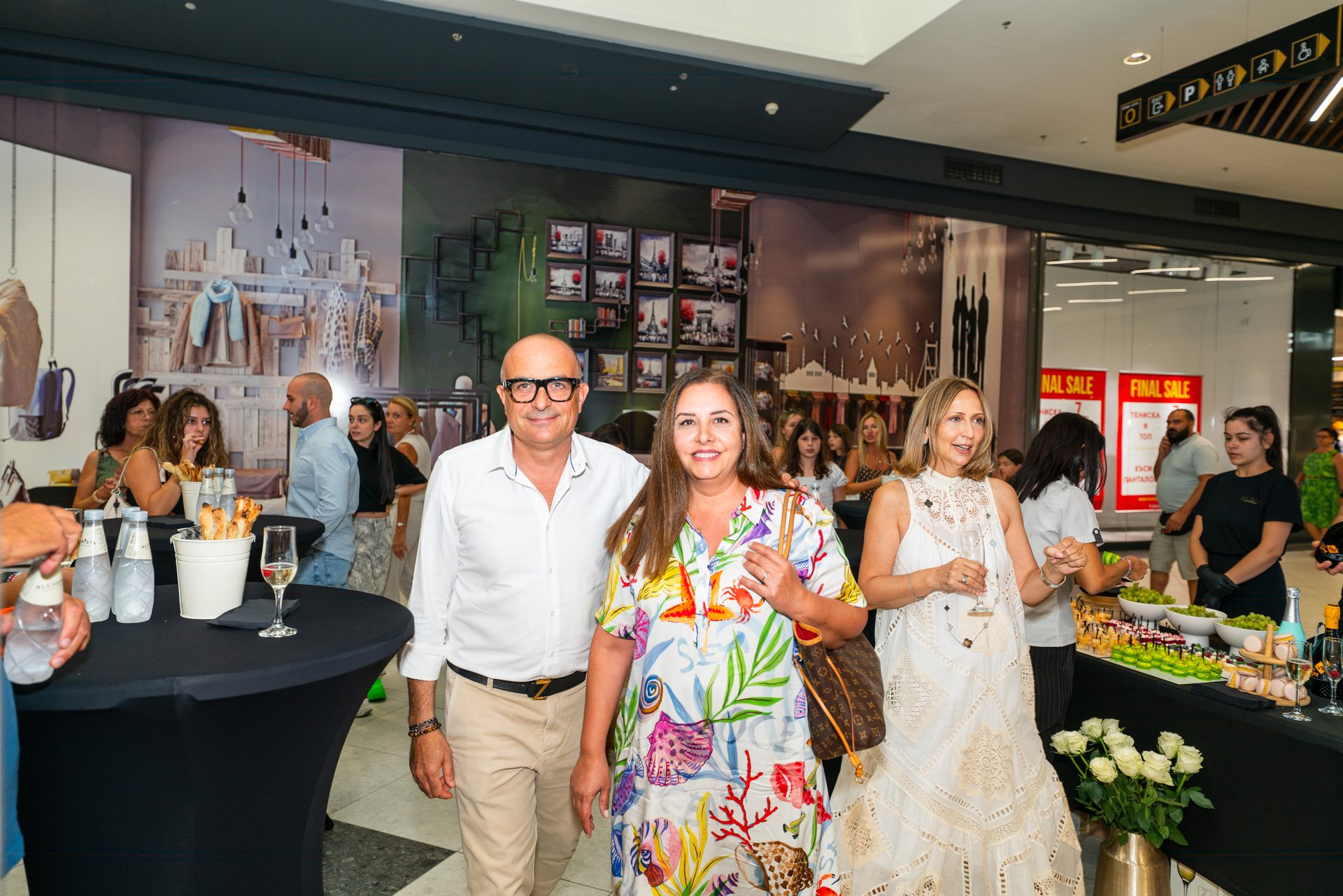
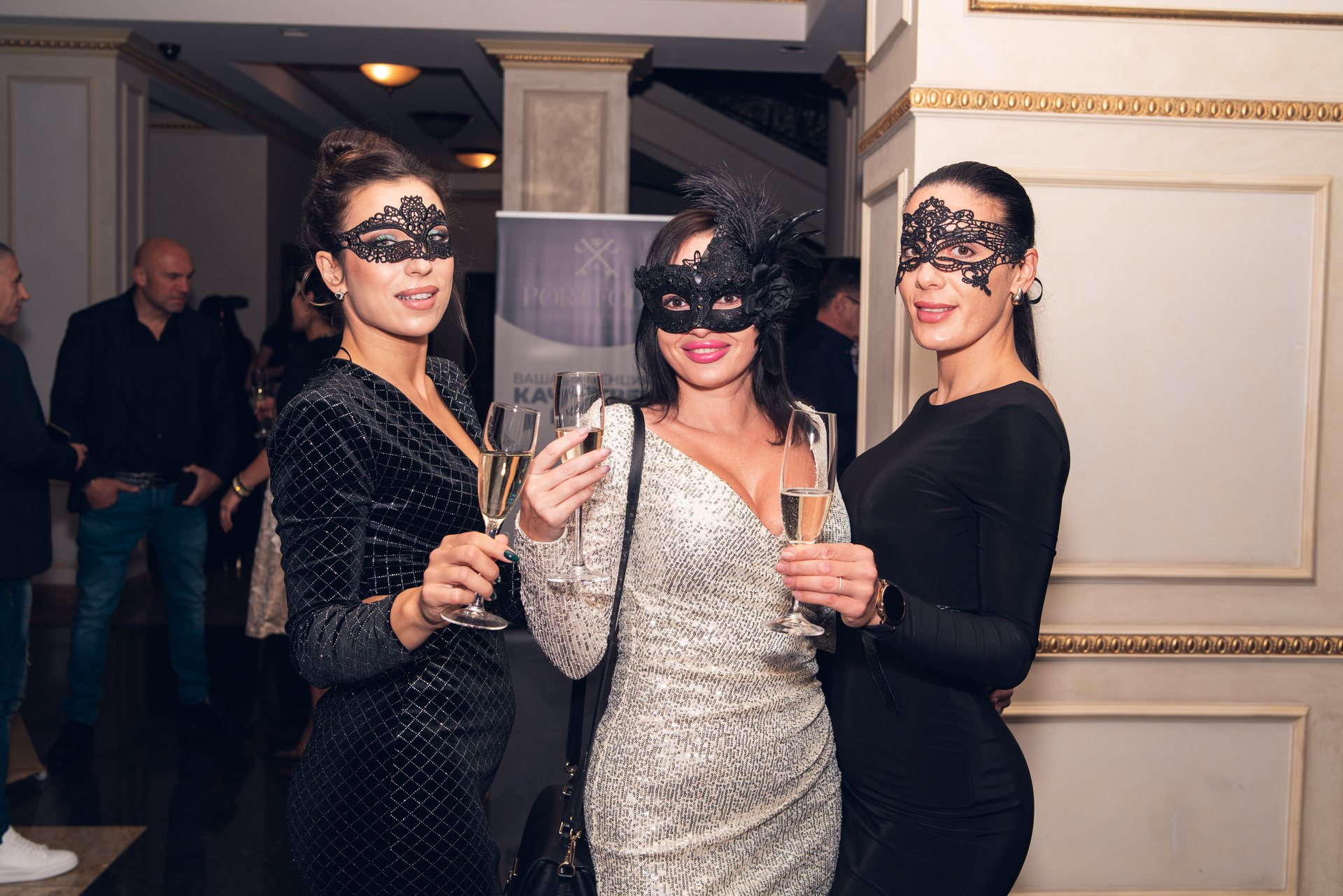
The first guests always arrive a little earlier than they should and a little more nervous than they show. Someone adjusts their mask in the mirror, someone looks for a familiar face, someone is already raising the first glass. This is the hour of unrehearsed smiles — people haven’t got used to the camera yet and aren’t posing.
This is exactly the hour that’s easiest to miss. The organiser is busy at registration, the programme hasn’t started, and it seems that “nothing is happening yet”. But it is: this is where the atmosphere, the décor and the arrivals are. Without those frames the story starts in the middle.
Chapter two. The protocol
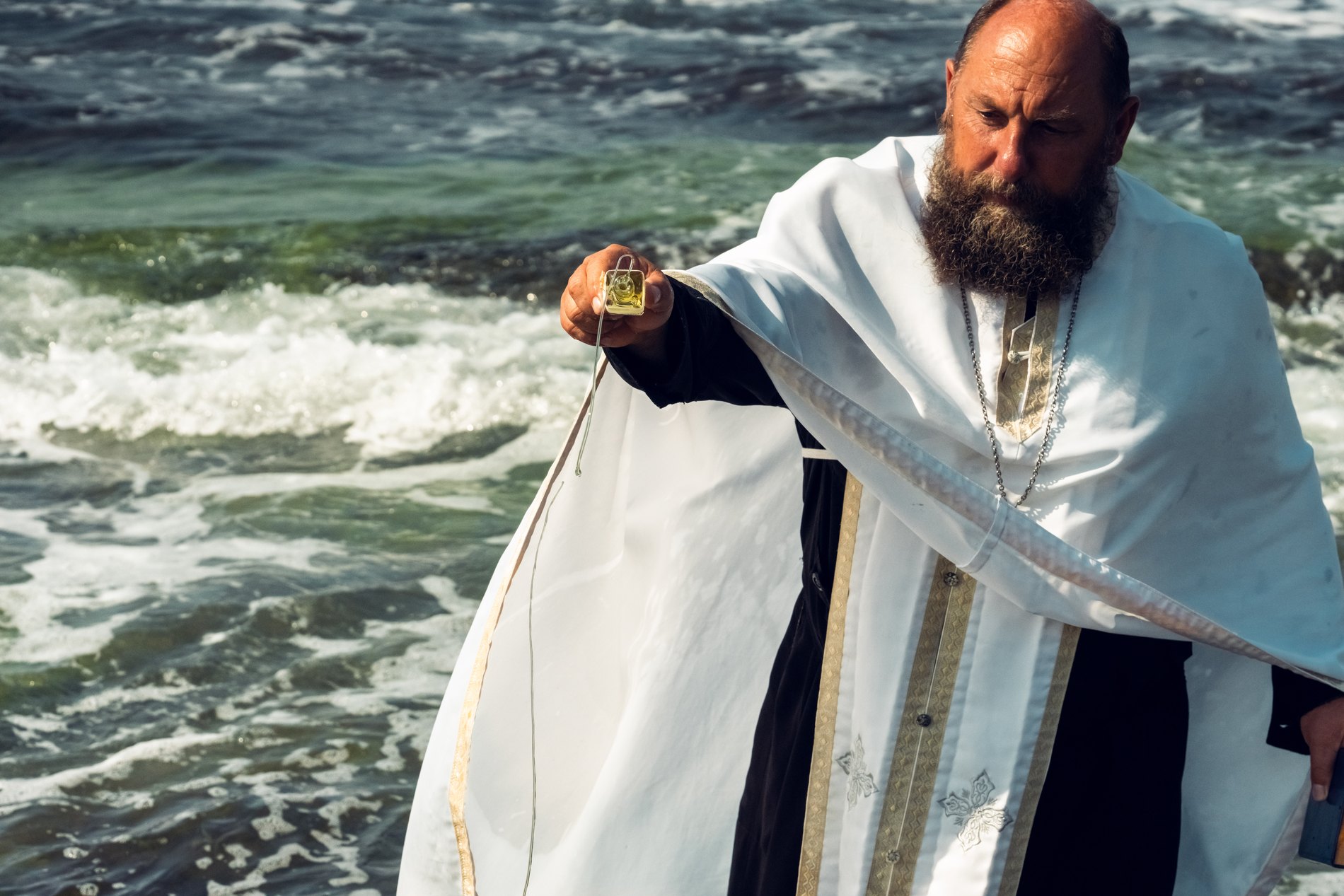
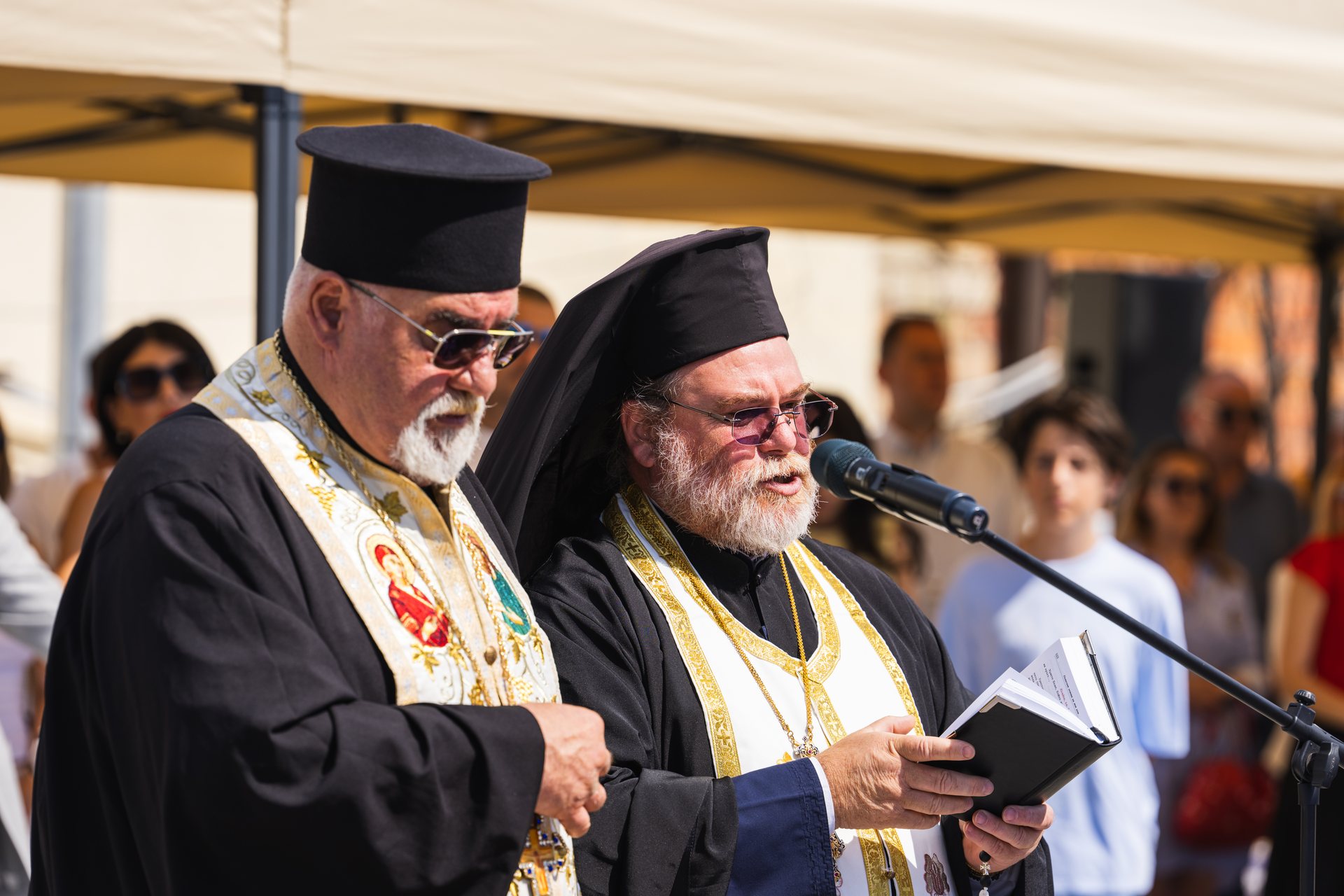
Then comes the moment everyone has gathered for. The host’s speech. The ribbon cutting. The blessing. The first dig, and the applause that follows it. These moments last seconds and don’t repeat — and if they’re repeated as an encore, they’re no longer real.
Here a photographer can’t rely on luck. You have to know a minute ahead where it will all happen and be standing there before it starts. That’s why a programme with times is the most valuable thing an organiser can send me. Even a rough one tells me when to be two steps from the stage and when I can go out among the guests.
Chapter three. The people between the lines
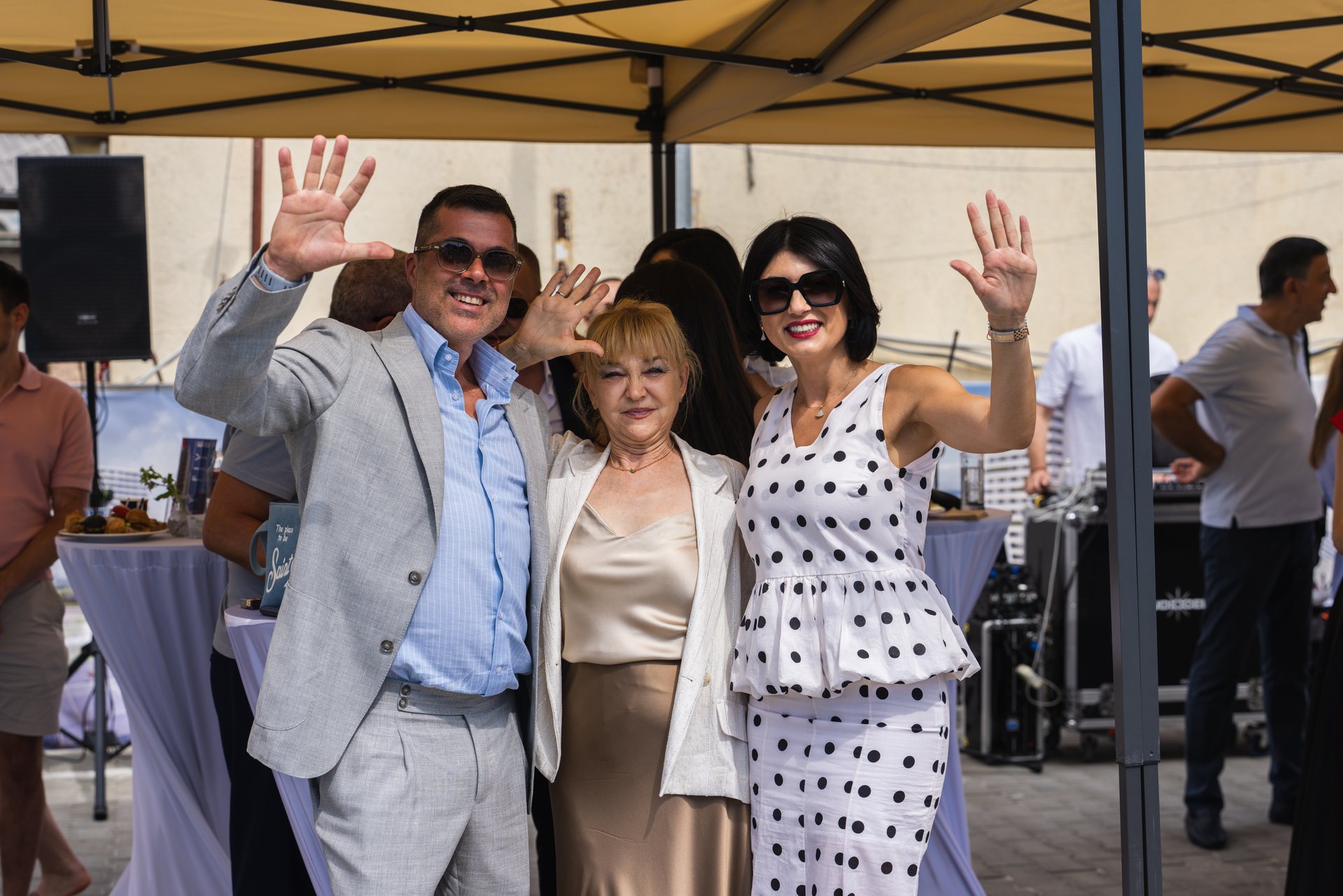
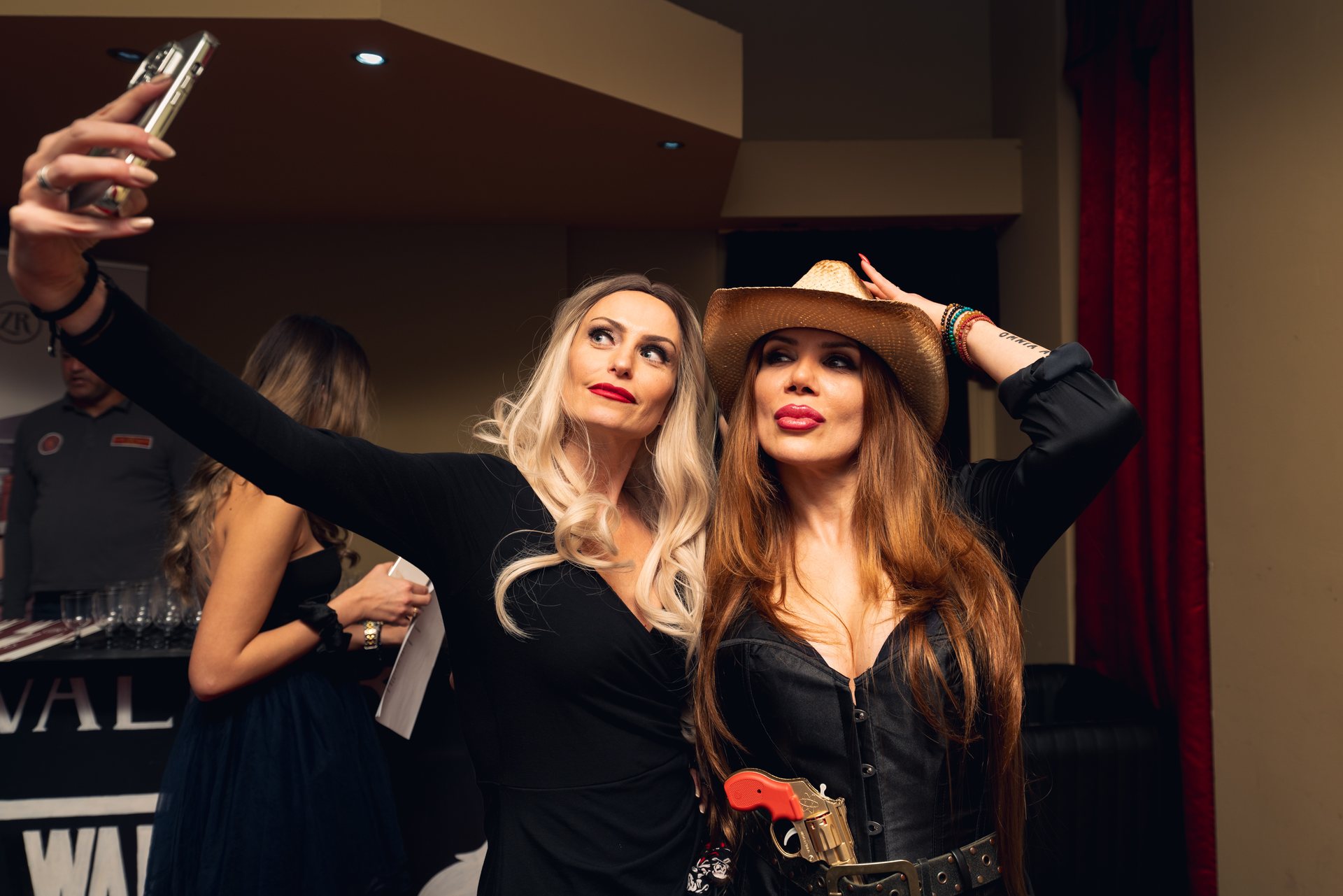
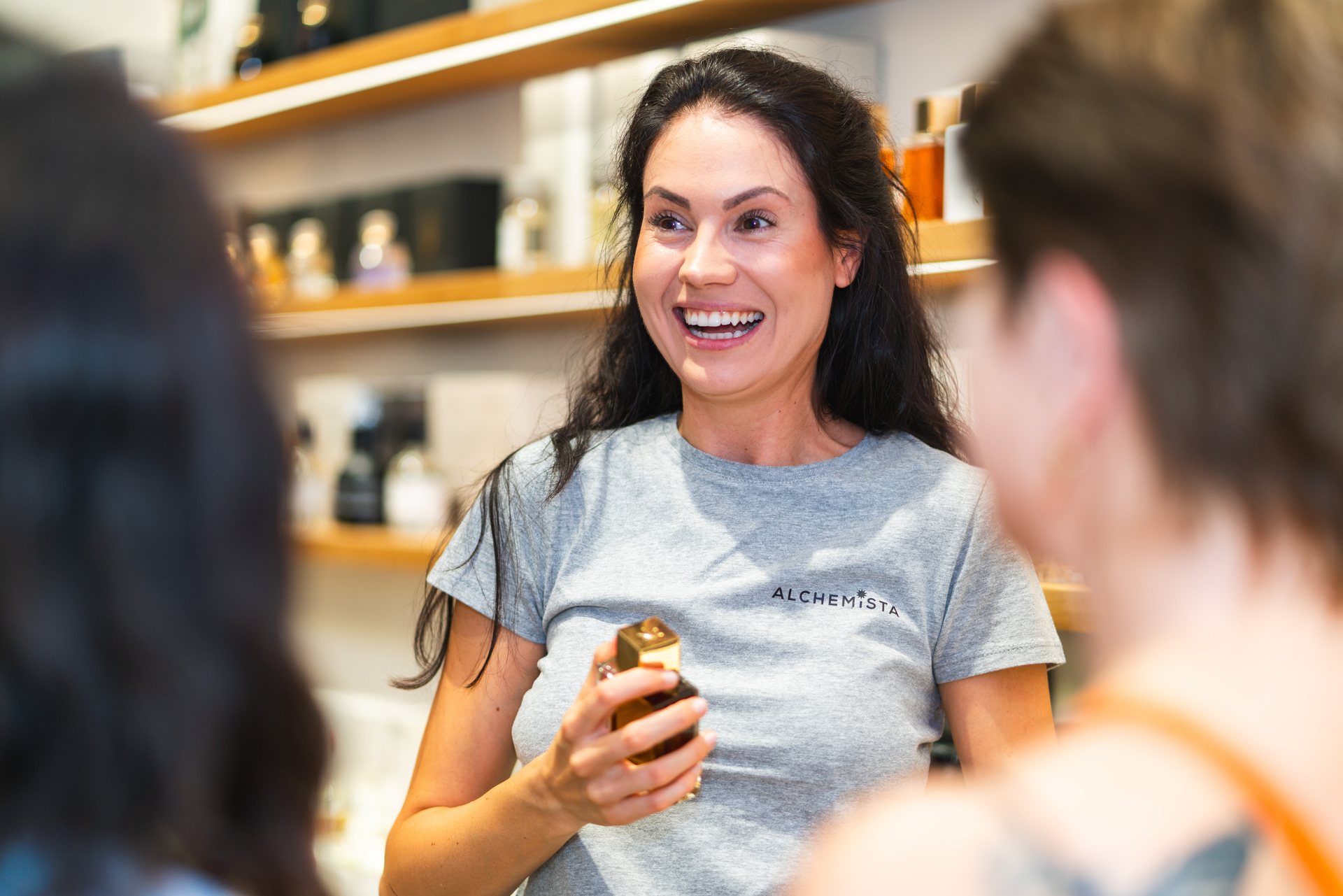
The best frames of an event are rarely in the programme. A guest laughing with a perfume bottle in her hand. Two friends taking a selfie in the middle of the party. Old acquaintances who haven’t seen each other in years. These are the pages between the chapters — brief, unplanned and completely real.
For them to exist, the photographer has to be invisible. I don’t direct guests or make them pose unless they want to. People don’t remember exactly what was said on stage — they remember how they felt. And partners and sponsors want to see their guests alive, not lined up in a row.
Chapter four. The stage
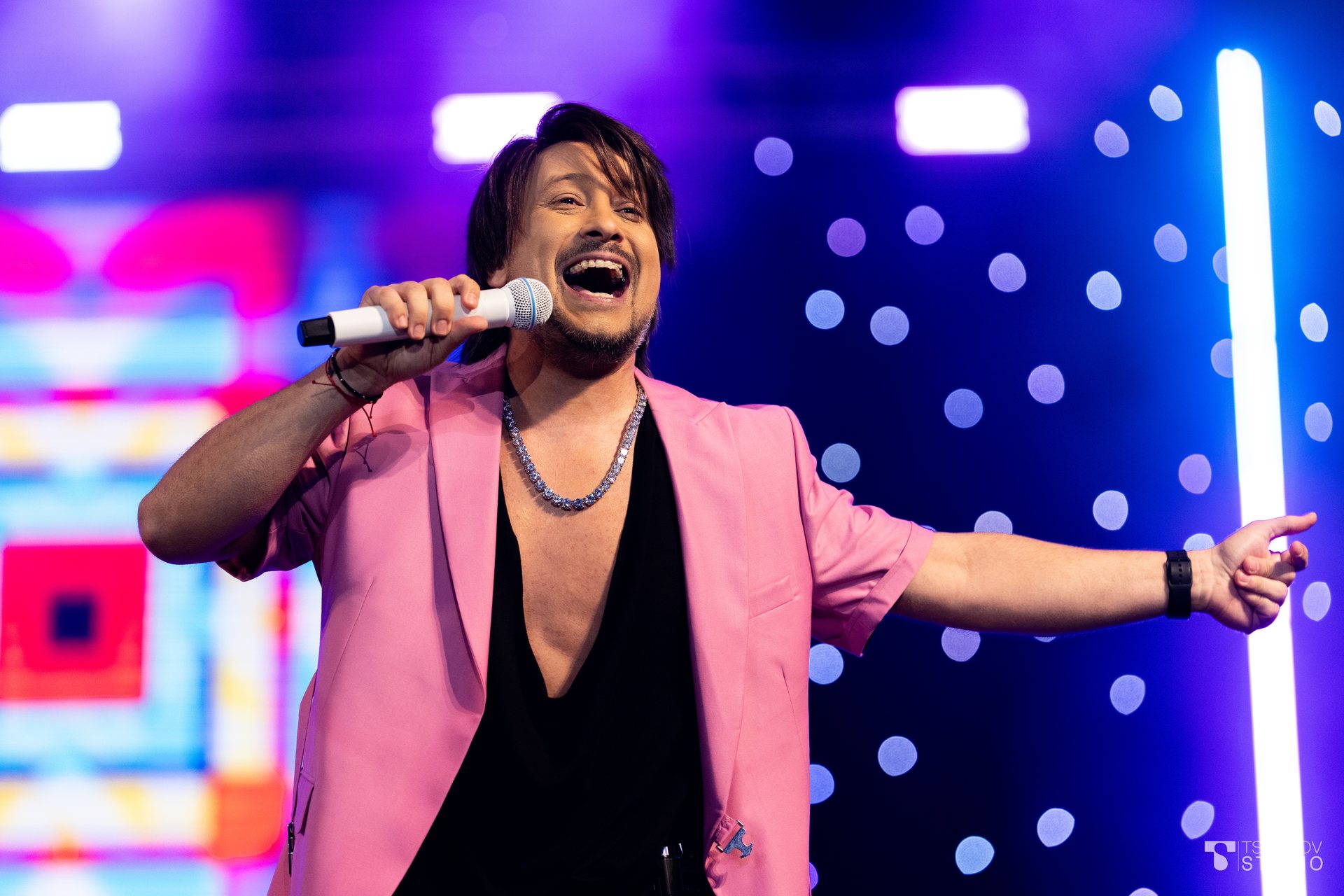
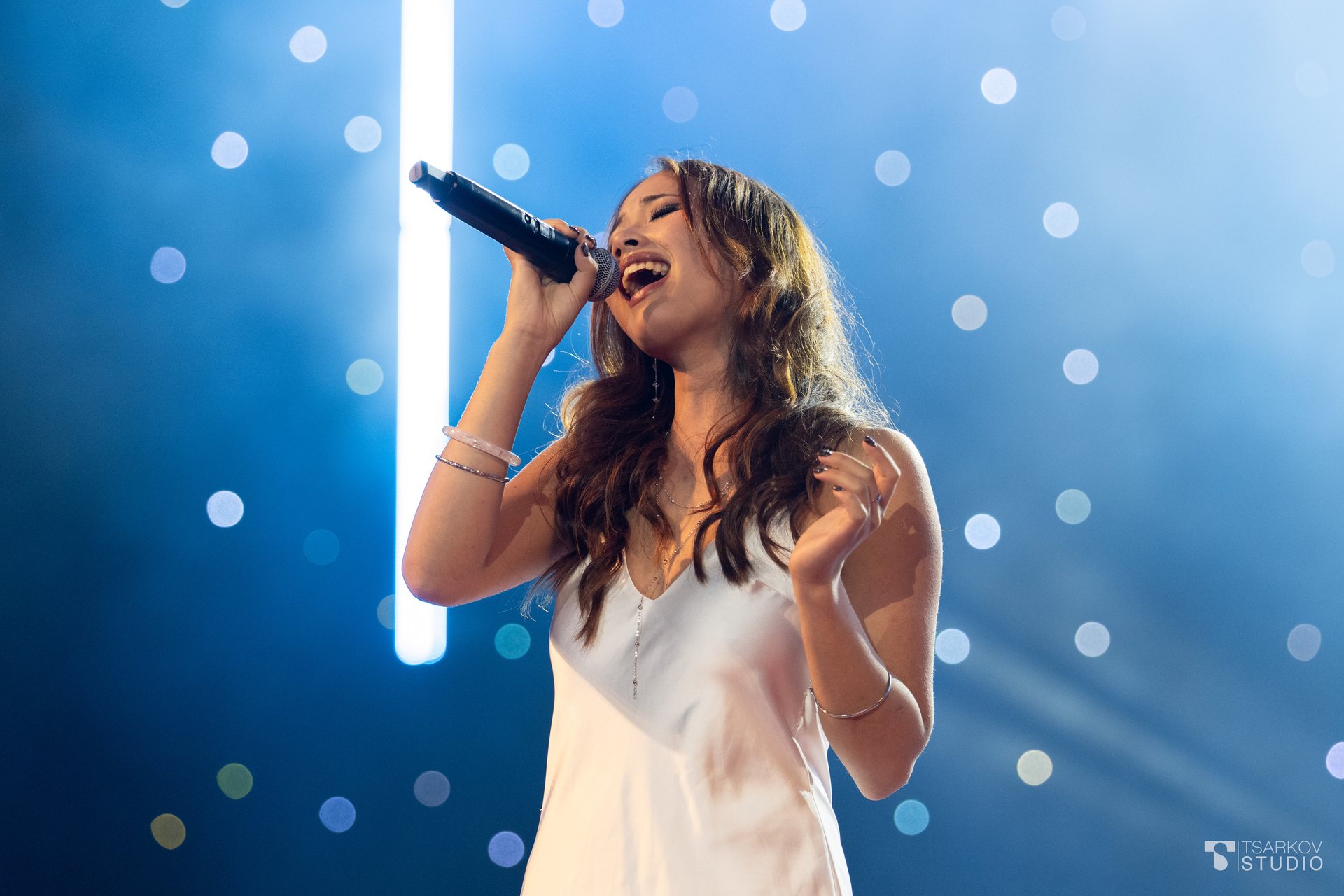
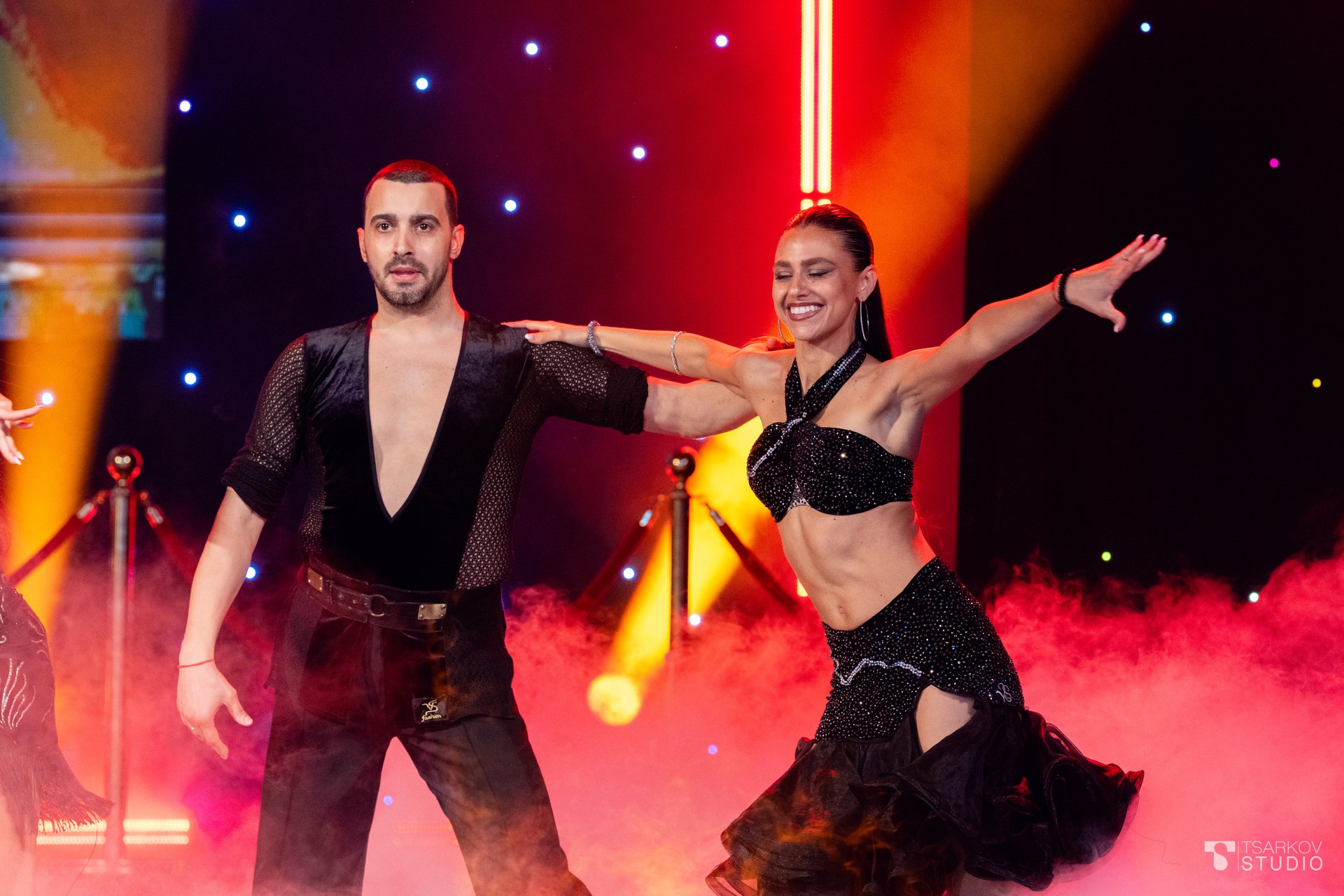
When the stage lights come on, the rules change. Colour shifts every second, haze swallows faces, spotlights shine straight into the lens. The singer is in blue, a moment later in red, and a moment after that in complete darkness. The eye adjusts instantly. The camera doesn’t — not unless the person behind it knows what they’re doing.
Before photography, I spent twenty years as a digital editor in television and film. That’s where I learned to read stage light and to know which frame will survive on screen. At a concert I’m often not the only one with a camera — there’s television, camera operators, guests with phones. Part of the job is to shoot without standing in front of any of them.
Chapter five. The climax
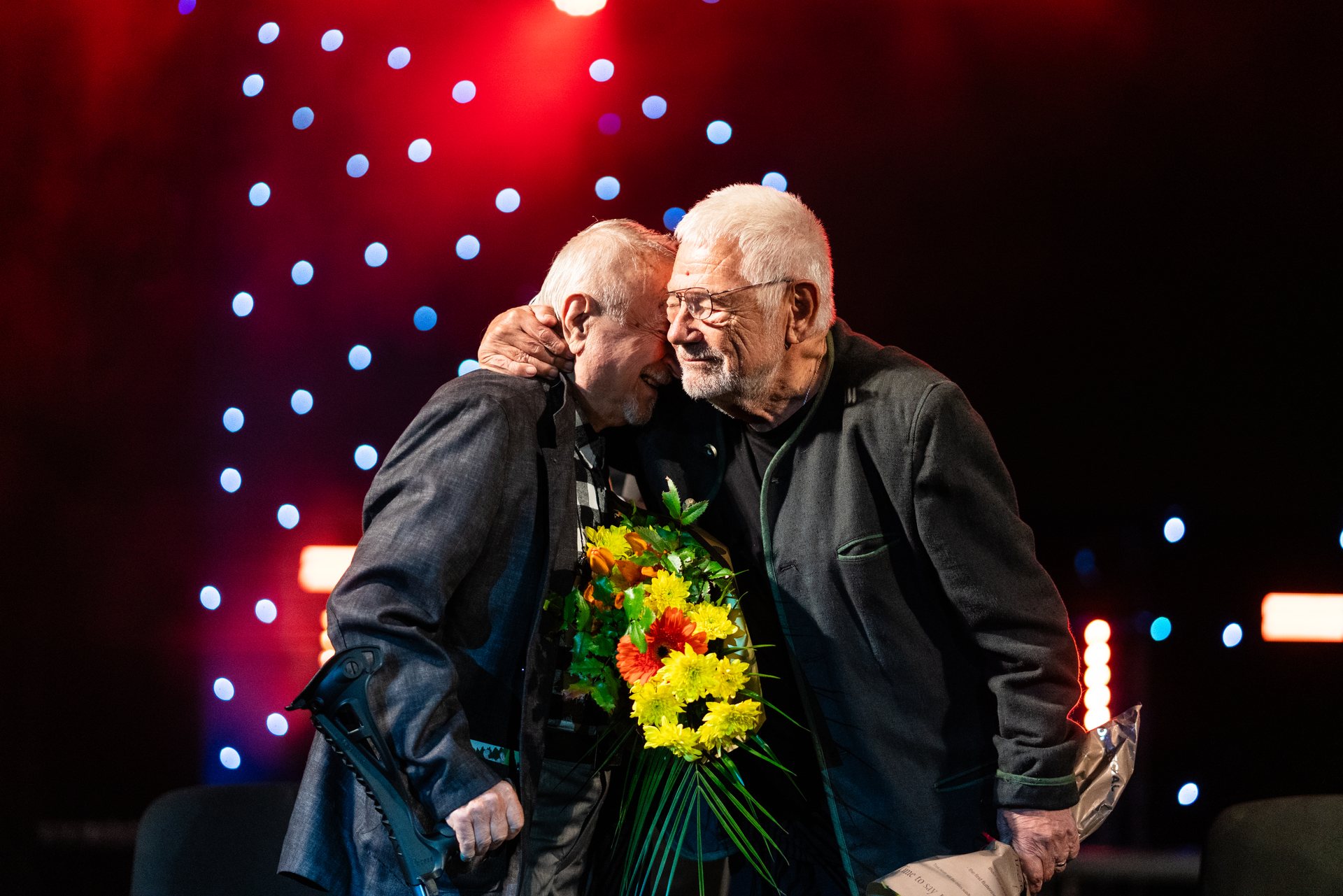
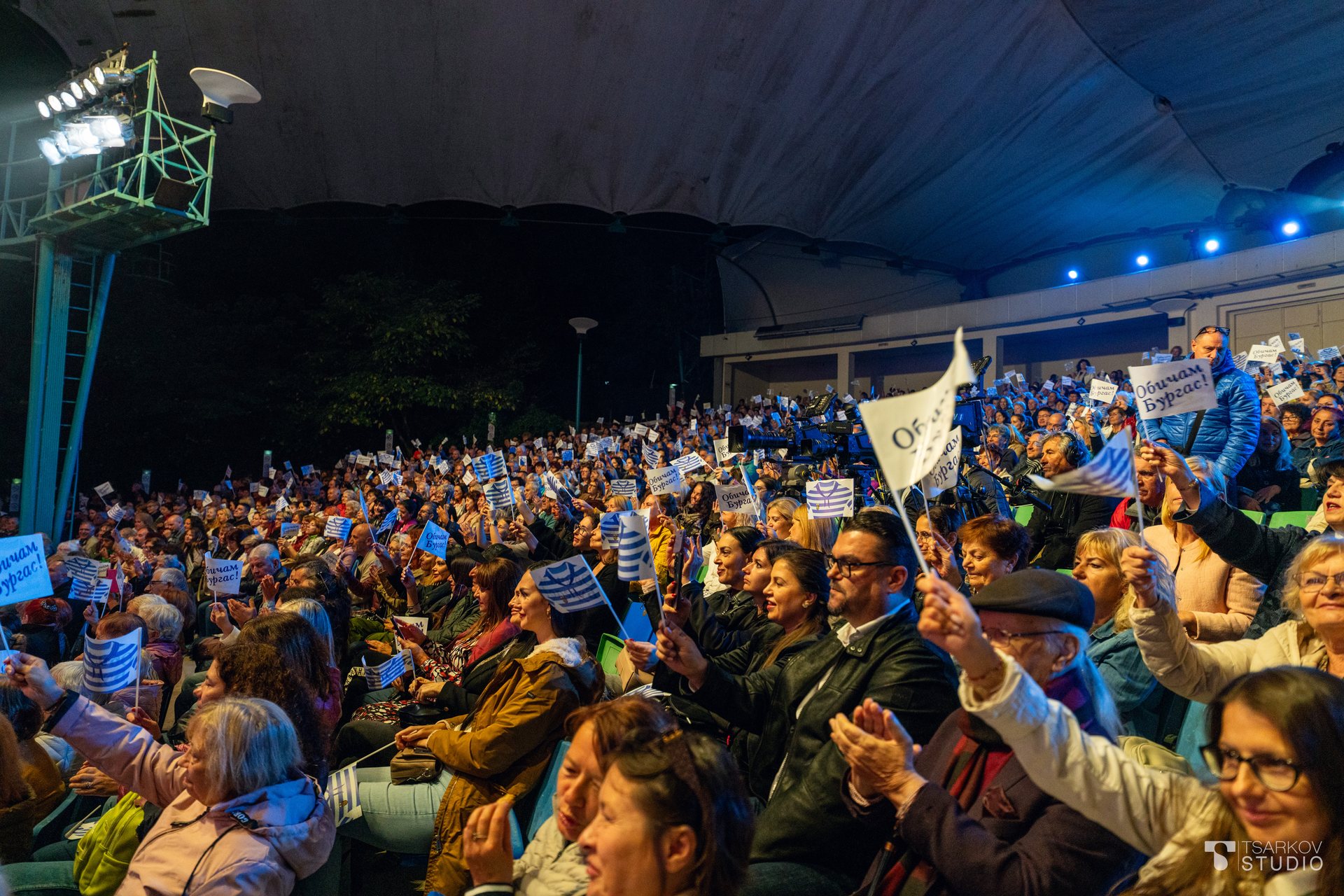
Every evening has one moment that makes it worth having been there. Two old friends embracing on stage with a bouquet between them. A hall rising to its feet and lifting its signs. The last song everyone sings along to. It comes without warning and is gone in a second.
The climax isn’t caught with speed but with anticipation. The photographer who gets it has been in place for a few minutes, has seen where the evening is heading and has chosen a spot. That’s why it pays for the photographer to stay until the end — the strongest moment often comes in the last minutes.
Epilogue. The morning after
When the guests leave, the event isn’t over for me. If you need it, a quick selection comes first — the strongest frames, edited and ready to publish within hours, so they reach the press and social media while the event is still news. Then comes the full gallery, edited frame by frame.
A good event gallery lives long after the event. It’s the report to sponsors, the story in local media, the posts for the weeks ahead and the advertising for the next edition. The people who were there come back to it to remember. Those who weren’t — to see what they missed.
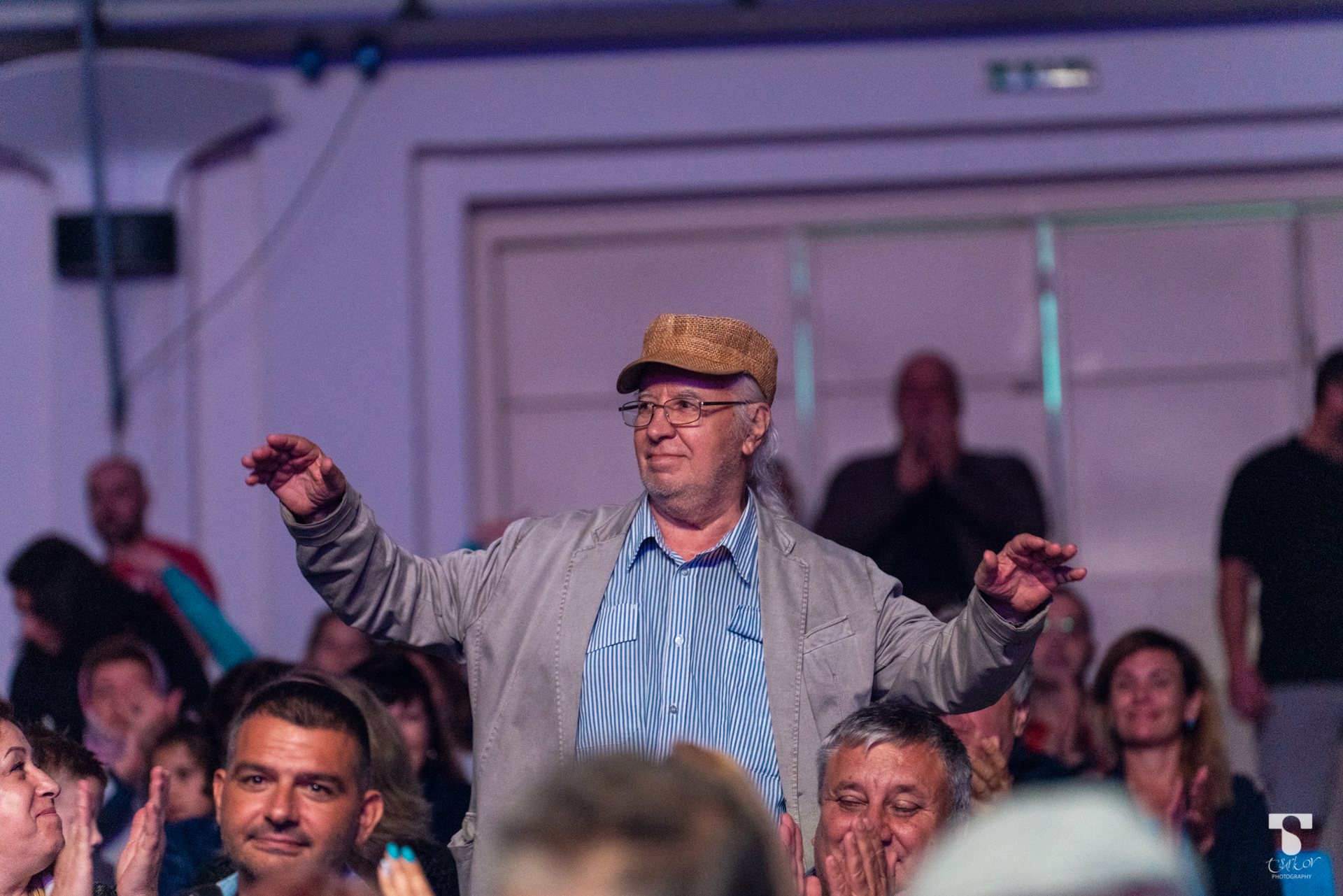
This is where twenty years of editing matter most. Stage light fools the eye: live, the hall looks bright and colourful, but on screen faces sink into red or burn out to white. So when I select, I look at the face first and the effect second — and the gallery keeps the frames in which both the emotion and the light survived.
How we write your story together
- A programme with times, even a rough one: when the speeches, awards, performances and finale happen.
- A list of the people who must be photographed: hosts, guests, partners.
- Where the images will be used — website, press, social media, advertising — and for how long.
- Timing: do you need frames the same night, and when do you need the full gallery.
- Access: accreditation, backstage areas, a spot to shoot from in the hall.
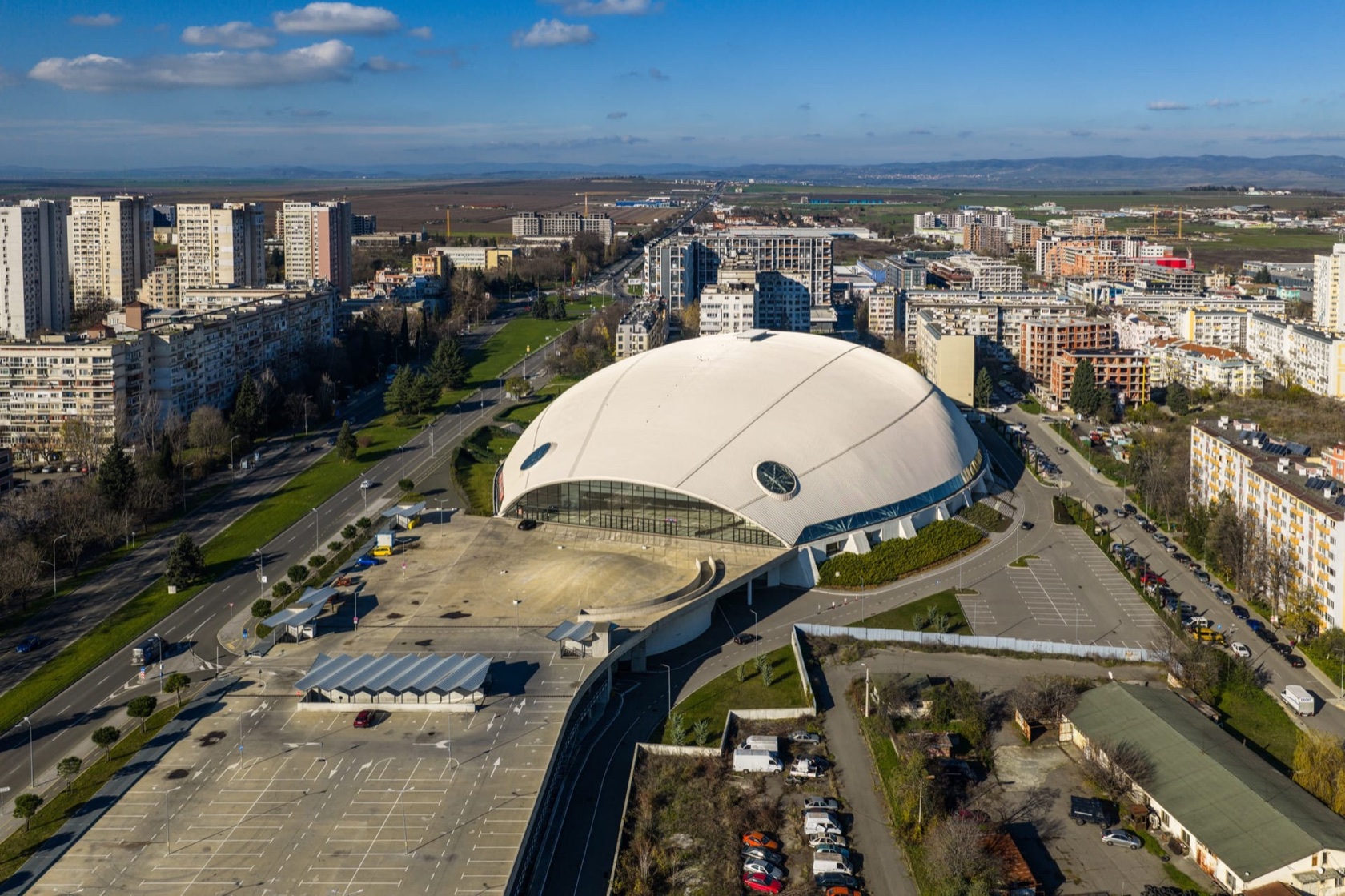
- If the event is outdoors and you want scale from above — drone shots, with a permit for the location.
See my events portfolio and what my event photographer in Burgas service includes. If you’re organising something around Eurovision 2027 in Burgas, the calendar will fill early. And if you already have a date — write to me with what the event is, where and when, and I’ll come back with a concrete offer.
Ready to plan?
See what the packages include and where the prices start.
Frequently asked questions
- How much does an event photographer in Burgas cost?
- It depends on the duration, the location and the usage rights. Send me the details of the event and I’ll come back with a concrete offer — no surprises.
- How quickly do we get the photos?
- If needed, I deliver selected, edited frames for press and social media within hours of the event. The full edited gallery follows after that.
- What should we send you before the event?
- A programme with times, a list of the people who must be photographed, what the images will be used for and when you need them.
- Do you shoot events with a drone?
- Yes, with an EU UAV licence (Open A1/A3). Aerial shots need a permit for the specific location — I arrange it in advance.